
Troops of the 12 Brigade of the Nigerian Army have intercepted suspected terrorist logistics couriers and recovered a significant cache of ammunition during coordinated operations in Kogi State.


The Army in a statement by Lieutenant HASSAN ABDULLAHI,Acting Assistant Director Army Public Relations disclosed that the successes were recorded over a three-month period of intensified, intelligence-driven operations aimed at dismantling terrorist supply networks within the brigade’s area of responsibility.

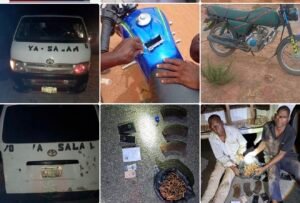
In one of the operations conducted on March 29, 2026, troops deployed along the Jamata–Owara Road in Lokoja Local Government Area intercepted a suspected courier riding a motorcycle. A thorough search revealed that the motorcycle had been specially modified with a concealed compartment for the covert transportation of ammunition. Preliminary investigations linked the suspect to known terrorist elements, prompting further operations.
The Army also confirmed the earlier arrest of a high-profile ammunition courier, Mathew Elisha, also known as Nasara, who had been on security watch lists.
In a related operation on April 20, 2026, troops acting on credible intelligence mounted a snap checkpoint at Oshokoshoko along the Obajana–Kabba Road, also in Lokoja LGA. During the operation, a Toyota bus travelling from Makurdi to Obajana was intercepted.
Two suspected terrorist logistics couriers, identified as Mallam Zubairu Abubakar and Adamu Abubakar Abdullahi, were arrested during the operation.
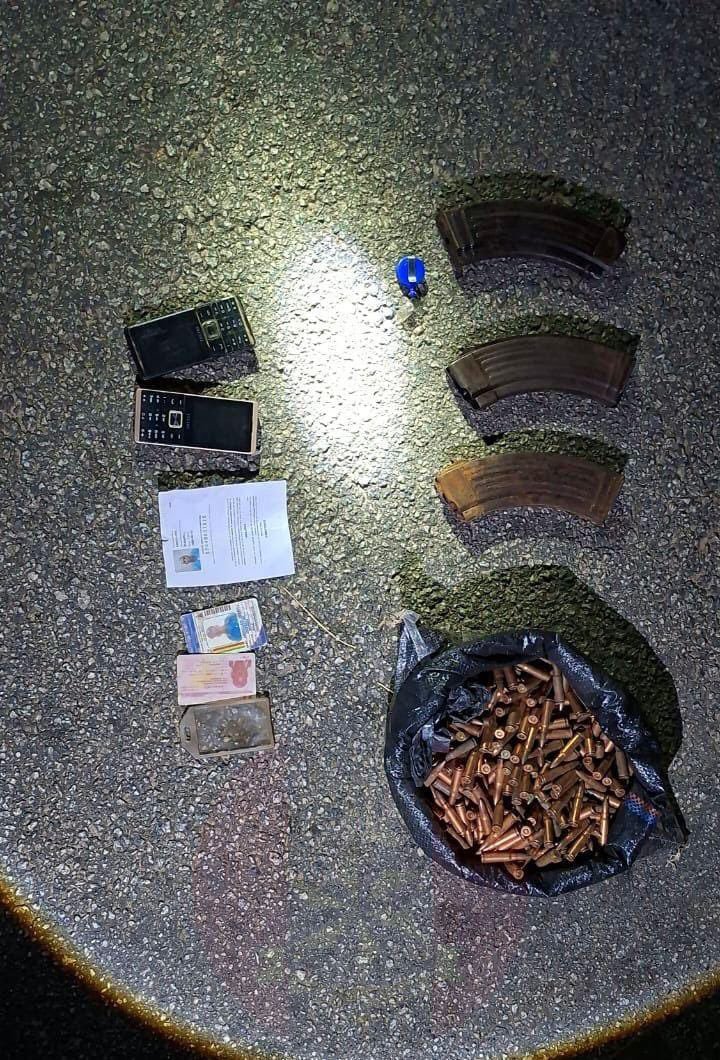
A search of the vehicle led to the recovery of 314 rounds of 7.62mm (Special) ammunition and three AK-47 rifle magazines concealed behind the driver’s seat. Other items recovered include two mobile phones, a driver’s licence, a National Identification Number slip, and an identity card.
The suspects, along with the recovered items, have been handed over to the 12 Military Intelligence Regiment for further investigation.
The Army noted that the operations underscore the vigilance and proactive posture of troops in denying terrorists freedom of movement and disrupting their logistics networks in the region.