Stakeholders have renewed calls for urgent restructuring of Nigeria’s governance architecture, describing it as critical to addressing rising insecurity and strengthening the country’s democratic system ahead of the 2027 general elections.


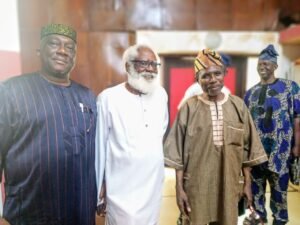
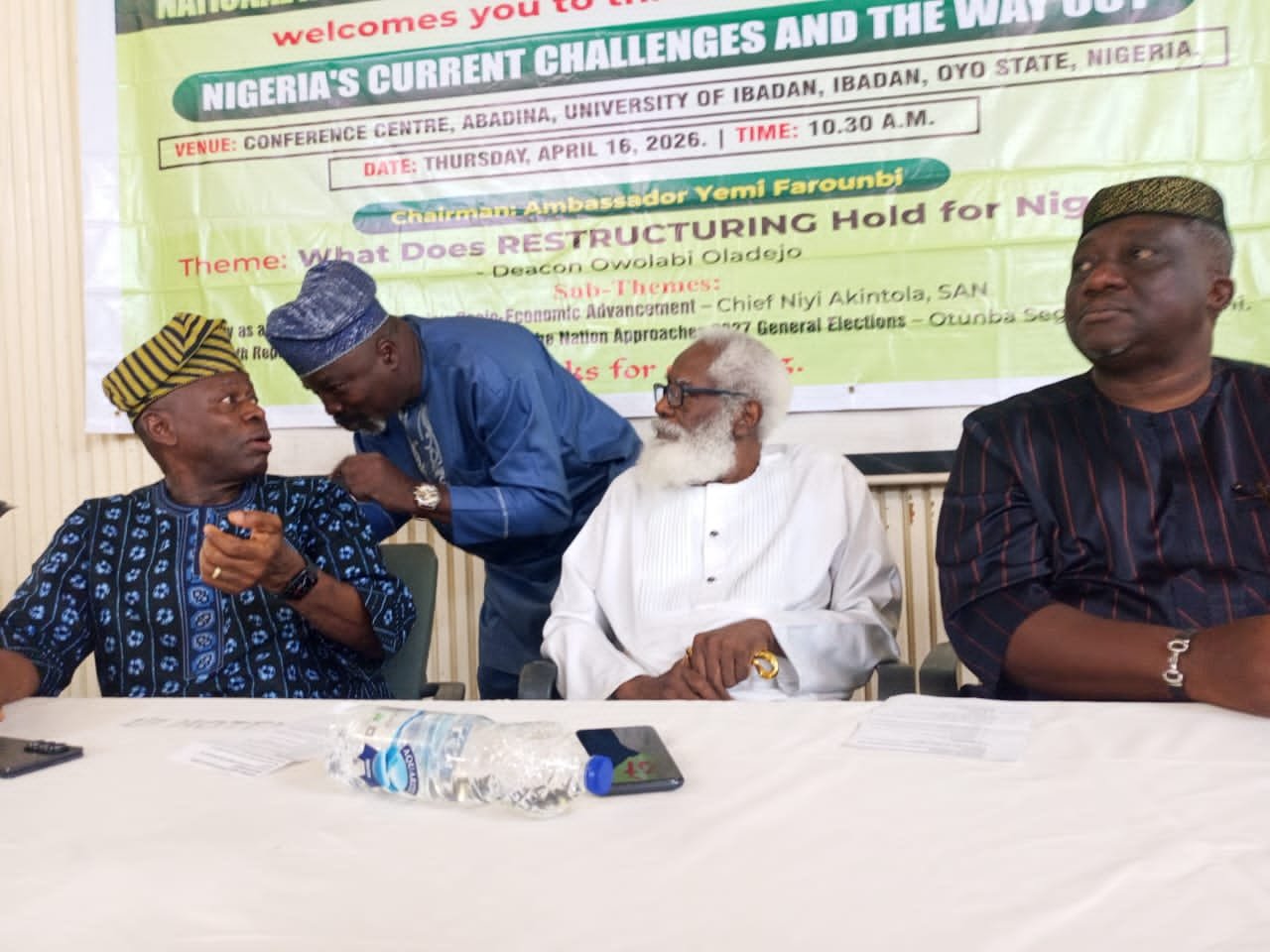
The call was made at a symposium organised by the National Association of Public Affairs Analysts (NAPAA), held at the University of Ibadan Conference Centre, with the theme “Nigeria’s Current Challenges and the Way Out.”
The forum brought together scholars, legal practitioners, political actors and public affairs analysts to examine the link between insecurity, governance deficits and Nigeria’s democratic future.
Chairman of the occasion, Yemi Farounbi, identified insecurity as the country’s most pressing challenge, stressing that only far-reaching structural reforms can deliver sustainable solutions.
Describing Nigeria as “a nation of paradox,” Farounbi said the country’s vast human and natural resources have failed to translate into meaningful development due to weak institutions, structural imbalances and poor policy implementation.
According to him, Nigeria’s challenge lies not in a lack of ideas, but in the absence of discipline, accountability and functional structures to implement solutions.
He warned that persistent insecurity reflects deeper systemic failures, noting that no nation can make meaningful progress with fragile institutions and a weak security framework.
He urged leaders and citizens to embrace reforms that would strengthen governance and rebuild public trust.
Also speaking, Segun Showunmi, Convener of The Alternative Movement, said Nigeria’s democracy remains fragile despite uninterrupted elections since 1999.
Presenting a paper titled “Nigeria’s Fourth Republic at a Crossroads: Challenges and Prospects Ahead of the 2027 General Election,” Showunmi argued that the country is caught between electoral continuity and true democratic consolidation.
He cited entrenched elite dominance, weak internal party democracy, economic hardship and declining voter confidence as key factors undermining democratic legitimacy.
Showunmi described the 2027 elections as a critical turning point, warning that failure to reform key institutions could further erode public confidence in governance. He called for reforms in electoral processes, improved internal party democracy and greater responsiveness from political leaders.
In his presentation, Senior Advocate of
Nigeria, Niyi Akintola, said insecurity remains a major obstacle to socio-economic development.
Akintola noted that insecurity discourages investment, disrupts agriculture, weakens education and places additional strain on public resources. He stressed that no meaningful development can take place where citizens live in fear and institutions fail to guarantee safety.
He called for urgent policy interventions to strengthen security frameworks and justice delivery systems, alongside increased investment in youth empowerment and job creation.
In his remarks, NAPAA Chairman, Seun Adelore, said restructuring would strengthen Nigeria’s economy, healthcare system and security architecture, arguing that decentralisation would allow regions to harness their resources more effectively.
NAPAA Secretary, Jaye Ajayi, emphasised the role of civic engagement in national development, describing the association as a platform for informed discourse and policy advocacy.
Providing further insight, Owolabi Oladejo said restructuring would enable regions to develop based on their comparative advantages. He projected that the Western region could significantly grow its economy within a decade if empowered through structural reforms.
Oladejo also advocated the establishment of regional security outfits alongside state policing to enhance safety nationwide.
However, Moshood Erubami expressed concern over repeated calls for restructuring without concrete outcomes, attributing the delay to a lack of collective political will.
Also lending his voice, the Oyo State Chairman of the Nigeria Union of Journalists (NUJ), Akeem Abas, supported restructuring as a necessary step to address Nigeria’s mounting challenges.