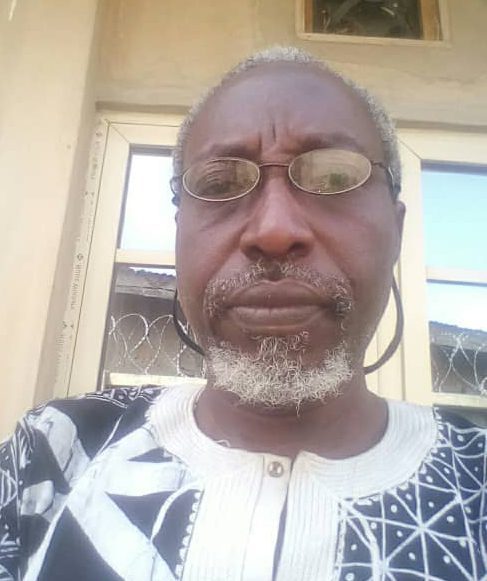
A former President of the Nigeria Union of Journalists and the African Union of Journalists, Lanre Ogundipe, has called on Nigeria to take concrete steps toward safeguarding press freedom, warning that the country’s democratic future depends on a free, independent, and economically viable media.


In a press statement issued to mark World Press Freedom Day 2026, Ogundipe said Nigeria must move beyond symbolic recognition of press freedom and confront the deeper structural challenges affecting journalism in the country.
He stressed that press freedom is not merely a professional concern for journalists but a “public good” essential for transparency, accountability, and national stability.
According to him, societies that allow the free flow of information are better positioned to ensure responsible governance, while restrictions on the media often breed misinformation, erode public trust, and fuel instability.
Ogundipe noted that despite Nigeria’s democratic posture, the operational environment for journalists continues to shrink, citing pressures ranging from intimidation and legal constraints to economic vulnerabilities within media organisations.
He cautioned against the misconception that limiting press freedom enhances national security, arguing instead that such restrictions only conceal underlying challenges.
“A restricted press does not secure a nation; it conceals its weaknesses,” he said, adding that sustainable security can only be built on transparency and truth.
The media veteran further described a free and responsible press as an early warning system capable of exposing societal tensions, governance failures, and marginalised voices before they escalate into crises.
While advocating for press freedom, Ogundipe also underscored the importance of responsibility in journalism, urging practitioners to uphold accuracy, fairness, and ethical standards, especially in an era of digital misinformation.
He, however, maintained that ethical journalism cannot thrive in an atmosphere of fear, calling on government at all levels to demonstrate genuine commitment through legal reforms, protection of journalists, and respect for citizens’ right to information.
Ogundipe also highlighted the economic challenges facing the media industry, warning that financially weak institutions are more susceptible to compromise and external influence. He called for sustainable funding models that can preserve editorial independence.
Reflecting on Nigeria’s history, he said the press has played a pivotal role from the anti-colonial struggle to the fight against military rule, insisting that such a legacy must not be undermined in contemporary times.
He concluded that World Press Freedom Day should serve as a moment of reflection and recalibration, reiterating that press freedom is not an obstacle to development or security but the very foundation upon which they rest.
Ogundipe signed the statement from Abuja.