
ADVERTISEMENT
  • Home
  • About Us
  • Contact Us
  • Privacy Policy
  • Advertise Here
  • Login
National Insight News
Advertisement
  • News
  • Politics
  • Business
  • Entertainment
  • Sports
  • Health
  • Tourism
No Result
View All Result
  • News
  • Politics
  • Business
  • Entertainment
  • Sports
  • Health
  • Tourism
No Result
View All Result
National Insight
No Result
View All Result
Home Featured

Trump Imposes 14% Tariff on Nigerian Exports in Sweeping Trade Move

by NationalInsight
April 3, 2025
in Featured, News
Reading Time: 2min read
0
#image_title

#image_title

1
SHARES
317
VIEWS
Share on FacebookShare on TwitterShare on WhatsApp

You might also like

Onimalu Celebrates 50th Birthday, Launches Herbal Product in Ibadan

2027: My Ambition Is to Serve, Not Enrich Myself — Adelabu

Beyond Endorsements: Why Oyo South Is Rallying Around a Movement, Not a Moment by Deyemi Adegbagbo

Load More
New traffic chart 

In a move that could escalate global trade tensions, U.S. President Donald Trump on Wednesday announced new reciprocal tariffs, imposing duties on imports from several countries, including Nigeria.


The announcement came during an event he dubbed “Liberation Day”, where he outlined his administration’s plan to counter what he described as unfair trade practices.
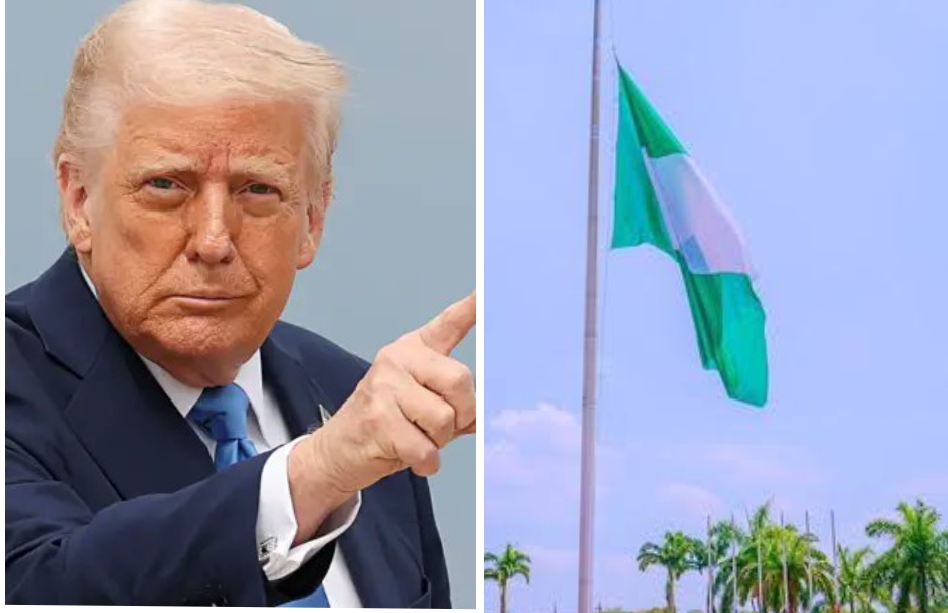
Under the new policy, Nigerian exports to the U.S. will now face a 14% tariff, a measure Trump said was in response to Nigeria’s existing 27% tariff on American goods.

Last year, Nigeria exported goods worth N931 billion to the U.S., with crude oil making up the bulk of the shipments, while imports from the U.S. totaled N1.05 trillion.

Displaying a tariff comparison chart, Trump explained the basis of his policy, highlighting that China would face a 34% tariff, while the European Union (EU) would be hit with a 20% tariff. Other affected nations include Vietnam (46%), Taiwan (32%), Japan (24%), India (26%), South Korea (25%), Thailand (36%), and Cambodia (49%).

At the White House Rose Garden event, Trump signed two executive orders. The first closes the “de minimis loophole”, which has allowed China to export low-cost goods to the U.S. without paying duties. The second enforces the reciprocal tariff structure, introducing a 25% tariff on imported cars and tariffs ranging from 10% to 49% on various imported goods.

Trump defended the tariffs, claiming they would generate $6 trillion in investments, but experts warn that such measures effectively act as a tax hike on American businesses and consumers.

Meanwhile, the European Union, which is directly affected by the new tariffs, has said it will respond today, with European Commission President Ursula von der Leyen expected to make an official statement.


New traffic chart 

In a move that could escalate global trade tensions, U.S. President Donald Trump on Wednesday announced new reciprocal tariffs, imposing duties on imports from several countries, including Nigeria.

The announcement came during an event he dubbed “Liberation Day”, where he outlined his administration’s plan to counter what he described as unfair trade practices.

Under the new policy, Nigerian exports to the U.S. will now face a 14% tariff, a measure Trump said was in response to Nigeria’s existing 27% tariff on American goods.

Last year, Nigeria exported goods worth N931 billion to the U.S., with crude oil making up the bulk of the shipments, while imports from the U.S. totaled N1.05 trillion.

Displaying a tariff comparison chart, Trump explained the basis of his policy, highlighting that China would face a 34% tariff, while the European Union (EU) would be hit with a 20% tariff. Other affected nations include Vietnam (46%), Taiwan (32%), Japan (24%), India (26%), South Korea (25%), Thailand (36%), and Cambodia (49%).

At the White House Rose Garden event, Trump signed two executive orders. The first closes the “de minimis loophole”, which has allowed China to export low-cost goods to the U.S. without paying duties. The second enforces the reciprocal tariff structure, introducing a 25% tariff on imported cars and tariffs ranging from 10% to 49% on various imported goods.

Trump defended the tariffs, claiming they would generate $6 trillion in investments, but experts warn that such measures effectively act as a tax hike on American businesses and consumers.

Meanwhile, the European Union, which is directly affected by the new tariffs, has said it will respond today, with European Commission President Ursula von der Leyen expected to make an official statement.

ALSO READ  Stop stealing, Shettima urges governors, political office holders

New traffic chart 

In a move that could escalate global trade tensions, U.S. President Donald Trump on Wednesday announced new reciprocal tariffs, imposing duties on imports from several countries, including Nigeria.

The announcement came during an event he dubbed “Liberation Day”, where he outlined his administration’s plan to counter what he described as unfair trade practices.

Under the new policy, Nigerian exports to the U.S. will now face a 14% tariff, a measure Trump said was in response to Nigeria’s existing 27% tariff on American goods.

Last year, Nigeria exported goods worth N931 billion to the U.S., with crude oil making up the bulk of the shipments, while imports from the U.S. totaled N1.05 trillion.

Displaying a tariff comparison chart, Trump explained the basis of his policy, highlighting that China would face a 34% tariff, while the European Union (EU) would be hit with a 20% tariff. Other affected nations include Vietnam (46%), Taiwan (32%), Japan (24%), India (26%), South Korea (25%), Thailand (36%), and Cambodia (49%).

At the White House Rose Garden event, Trump signed two executive orders. The first closes the “de minimis loophole”, which has allowed China to export low-cost goods to the U.S. without paying duties. The second enforces the reciprocal tariff structure, introducing a 25% tariff on imported cars and tariffs ranging from 10% to 49% on various imported goods.

Trump defended the tariffs, claiming they would generate $6 trillion in investments, but experts warn that such measures effectively act as a tax hike on American businesses and consumers.

Meanwhile, the European Union, which is directly affected by the new tariffs, has said it will respond today, with European Commission President Ursula von der Leyen expected to make an official statement.

New traffic chart 

In a move that could escalate global trade tensions, U.S. President Donald Trump on Wednesday announced new reciprocal tariffs, imposing duties on imports from several countries, including Nigeria.

The announcement came during an event he dubbed “Liberation Day”, where he outlined his administration’s plan to counter what he described as unfair trade practices.

Under the new policy, Nigerian exports to the U.S. will now face a 14% tariff, a measure Trump said was in response to Nigeria’s existing 27% tariff on American goods.

Last year, Nigeria exported goods worth N931 billion to the U.S., with crude oil making up the bulk of the shipments, while imports from the U.S. totaled N1.05 trillion.

Displaying a tariff comparison chart, Trump explained the basis of his policy, highlighting that China would face a 34% tariff, while the European Union (EU) would be hit with a 20% tariff. Other affected nations include Vietnam (46%), Taiwan (32%), Japan (24%), India (26%), South Korea (25%), Thailand (36%), and Cambodia (49%).

At the White House Rose Garden event, Trump signed two executive orders. The first closes the “de minimis loophole”, which has allowed China to export low-cost goods to the U.S. without paying duties. The second enforces the reciprocal tariff structure, introducing a 25% tariff on imported cars and tariffs ranging from 10% to 49% on various imported goods.

Trump defended the tariffs, claiming they would generate $6 trillion in investments, but experts warn that such measures effectively act as a tax hike on American businesses and consumers.

Meanwhile, the European Union, which is directly affected by the new tariffs, has said it will respond today, with European Commission President Ursula von der Leyen expected to make an official statement.

ALSO READ  Buhari, IBB Mourn Shehu Shagari

New traffic chart 

In a move that could escalate global trade tensions, U.S. President Donald Trump on Wednesday announced new reciprocal tariffs, imposing duties on imports from several countries, including Nigeria.

The announcement came during an event he dubbed “Liberation Day”, where he outlined his administration’s plan to counter what he described as unfair trade practices.

Under the new policy, Nigerian exports to the U.S. will now face a 14% tariff, a measure Trump said was in response to Nigeria’s existing 27% tariff on American goods.

Last year, Nigeria exported goods worth N931 billion to the U.S., with crude oil making up the bulk of the shipments, while imports from the U.S. totaled N1.05 trillion.

Displaying a tariff comparison chart, Trump explained the basis of his policy, highlighting that China would face a 34% tariff, while the European Union (EU) would be hit with a 20% tariff. Other affected nations include Vietnam (46%), Taiwan (32%), Japan (24%), India (26%), South Korea (25%), Thailand (36%), and Cambodia (49%).

At the White House Rose Garden event, Trump signed two executive orders. The first closes the “de minimis loophole”, which has allowed China to export low-cost goods to the U.S. without paying duties. The second enforces the reciprocal tariff structure, introducing a 25% tariff on imported cars and tariffs ranging from 10% to 49% on various imported goods.

Trump defended the tariffs, claiming they would generate $6 trillion in investments, but experts warn that such measures effectively act as a tax hike on American businesses and consumers.

Meanwhile, the European Union, which is directly affected by the new tariffs, has said it will respond today, with European Commission President Ursula von der Leyen expected to make an official statement.

New traffic chart 

In a move that could escalate global trade tensions, U.S. President Donald Trump on Wednesday announced new reciprocal tariffs, imposing duties on imports from several countries, including Nigeria.

The announcement came during an event he dubbed “Liberation Day”, where he outlined his administration’s plan to counter what he described as unfair trade practices.

Under the new policy, Nigerian exports to the U.S. will now face a 14% tariff, a measure Trump said was in response to Nigeria’s existing 27% tariff on American goods.

Last year, Nigeria exported goods worth N931 billion to the U.S., with crude oil making up the bulk of the shipments, while imports from the U.S. totaled N1.05 trillion.

Displaying a tariff comparison chart, Trump explained the basis of his policy, highlighting that China would face a 34% tariff, while the European Union (EU) would be hit with a 20% tariff. Other affected nations include Vietnam (46%), Taiwan (32%), Japan (24%), India (26%), South Korea (25%), Thailand (36%), and Cambodia (49%).

At the White House Rose Garden event, Trump signed two executive orders. The first closes the “de minimis loophole”, which has allowed China to export low-cost goods to the U.S. without paying duties. The second enforces the reciprocal tariff structure, introducing a 25% tariff on imported cars and tariffs ranging from 10% to 49% on various imported goods.

Trump defended the tariffs, claiming they would generate $6 trillion in investments, but experts warn that such measures effectively act as a tax hike on American businesses and consumers.

Meanwhile, the European Union, which is directly affected by the new tariffs, has said it will respond today, with European Commission President Ursula von der Leyen expected to make an official statement.

ALSO READ  Oyo/Osun Custom Controller Reads Riot Acts to Smugglers

New traffic chart 

In a move that could escalate global trade tensions, U.S. President Donald Trump on Wednesday announced new reciprocal tariffs, imposing duties on imports from several countries, including Nigeria.

The announcement came during an event he dubbed “Liberation Day”, where he outlined his administration’s plan to counter what he described as unfair trade practices.

Under the new policy, Nigerian exports to the U.S. will now face a 14% tariff, a measure Trump said was in response to Nigeria’s existing 27% tariff on American goods.

Last year, Nigeria exported goods worth N931 billion to the U.S., with crude oil making up the bulk of the shipments, while imports from the U.S. totaled N1.05 trillion.

Displaying a tariff comparison chart, Trump explained the basis of his policy, highlighting that China would face a 34% tariff, while the European Union (EU) would be hit with a 20% tariff. Other affected nations include Vietnam (46%), Taiwan (32%), Japan (24%), India (26%), South Korea (25%), Thailand (36%), and Cambodia (49%).

At the White House Rose Garden event, Trump signed two executive orders. The first closes the “de minimis loophole”, which has allowed China to export low-cost goods to the U.S. without paying duties. The second enforces the reciprocal tariff structure, introducing a 25% tariff on imported cars and tariffs ranging from 10% to 49% on various imported goods.

Trump defended the tariffs, claiming they would generate $6 trillion in investments, but experts warn that such measures effectively act as a tax hike on American businesses and consumers.

Meanwhile, the European Union, which is directly affected by the new tariffs, has said it will respond today, with European Commission President Ursula von der Leyen expected to make an official statement.

New traffic chart 

In a move that could escalate global trade tensions, U.S. President Donald Trump on Wednesday announced new reciprocal tariffs, imposing duties on imports from several countries, including Nigeria.

The announcement came during an event he dubbed “Liberation Day”, where he outlined his administration’s plan to counter what he described as unfair trade practices.

Under the new policy, Nigerian exports to the U.S. will now face a 14% tariff, a measure Trump said was in response to Nigeria’s existing 27% tariff on American goods.

Last year, Nigeria exported goods worth N931 billion to the U.S., with crude oil making up the bulk of the shipments, while imports from the U.S. totaled N1.05 trillion.

Displaying a tariff comparison chart, Trump explained the basis of his policy, highlighting that China would face a 34% tariff, while the European Union (EU) would be hit with a 20% tariff. Other affected nations include Vietnam (46%), Taiwan (32%), Japan (24%), India (26%), South Korea (25%), Thailand (36%), and Cambodia (49%).

At the White House Rose Garden event, Trump signed two executive orders. The first closes the “de minimis loophole”, which has allowed China to export low-cost goods to the U.S. without paying duties. The second enforces the reciprocal tariff structure, introducing a 25% tariff on imported cars and tariffs ranging from 10% to 49% on various imported goods.

Trump defended the tariffs, claiming they would generate $6 trillion in investments, but experts warn that such measures effectively act as a tax hike on American businesses and consumers.

Meanwhile, the European Union, which is directly affected by the new tariffs, has said it will respond today, with European Commission President Ursula von der Leyen expected to make an official statement.

author avatar
NationalInsight
See Full Bio
Tags: Donald j TrumpLiberation DayNIGERIA
Share10Tweet6Send
Previous Post

CBN Denies Media Report on Introduction of New ₦5,000 & ₦10,000 Notes

Next Post

How Trump’s 14% Reciprocal Tariff Policy will Affect Nigeria’s Economy

NationalInsight

NationalInsight

Related Posts

#image_title
Featured

Onimalu Celebrates 50th Birthday, Launches Herbal Product in Ibadan

by NationalInsight
April 24, 2026
103
Oloye Bayo Adelabu
Featured

2027: My Ambition Is to Serve, Not Enrich Myself — Adelabu

by NationalInsight
April 24, 2026
105
#image_title
Featured

Beyond Endorsements: Why Oyo South Is Rallying Around a Movement, Not a Moment by Deyemi Adegbagbo

by NationalInsight
April 24, 2026
110
#image_title
Featured

Ranchers Bees Seal Dramatic NPFL Promotion as Private Clubs Make History

by NationalInsight
April 24, 2026
107
#image_title
Featured

Hoteliers Celebrate Ojo-Lanre, Confer Tourism Trailblazer Honour in Ado Ekiti

by NationalInsight
April 24, 2026
112
Next Post
#image_title

How Trump’s 14% Reciprocal Tariff Policy will Affect Nigeria's Economy

Leave a Reply Cancel reply

Your email address will not be published. Required fields are marked *

This site uses Akismet to reduce spam. Learn how your comment data is processed.

Latest Post

#image_title

Onimalu Celebrates 50th Birthday, Launches Herbal Product in Ibadan

April 24, 2026
103
Oloye Bayo Adelabu

2027: My Ambition Is to Serve, Not Enrich Myself — Adelabu

April 24, 2026
105
#image_title

Beyond Endorsements: Why Oyo South Is Rallying Around a Movement, Not a Moment by Deyemi Adegbagbo

April 24, 2026
110
National Insight News
  • Home
  • About Us
  • Contact Us
  • Privacy Policy
  • Advertise Here

Recent Posts

  • Onimalu Celebrates 50th Birthday, Launches Herbal Product in Ibadan
  • 2027: My Ambition Is to Serve, Not Enrich Myself — Adelabu
  • Beyond Endorsements: Why Oyo South Is Rallying Around a Movement, Not a Moment by Deyemi Adegbagbo

Copyright © 2020 National Insight News

No Result
View All Result
  • Politics
  • Entertainment
  • News
    • Business
    • Health
    • Tourism
  • Sports
  • Contact Us
  • Privacy Policy

Copyright © 2020 National Insight News

Welcome Back!

Login to your account below

Forgotten Password?

Create New Account!

Fill the forms bellow to register

All fields are required. Log In

Retrieve your password

Please enter your username or email address to reset your password.

Log In
WP Twitter Auto Publish Powered By : XYZScripts.com