
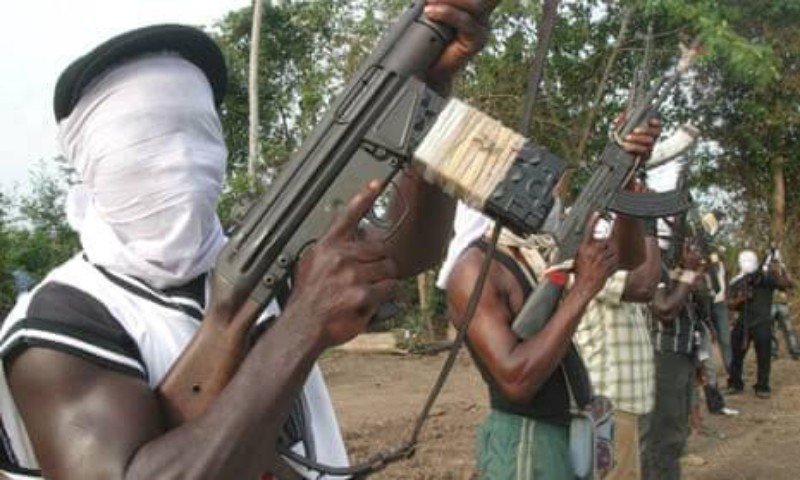
There was a time when cattle rustling was seen as a distant crime, largely confined to remote forests and grazing routes. Many dismissed it as a problem between herders and rural communities. But what started as organized theft of livestock has gradually mutated into something far more terrifying — a nationwide industry of kidnapping, bloodshed, and terror driven by the desperate penchant for quick wealth at the expense of innocent lives.


Today, Nigeria stands at a frightening crossroads where human beings have become commodities and ransom has become a thriving criminal economy. What once sounded like isolated stories from troubled regions has now become a grim national reality. Nobody is truly safe anymore.
From highways to villages, farms to schools, places of worship to homes, fear has become a constant companion for ordinary citizens. Parents now panic each time their children leave for school. Travelers say silent prayers before embarking on journeys. Farmers abandon their lands out of fear of abduction. Communities sleep with one eye open.

The recent abduction of teachers and students in Esiele, Oriire Local Government Area of Oyo State, has once again exposed the frightening depth of insecurity confronting the nation. More disturbing is the viral video allegedly showing the abducted victims pleading for help from captivity. The sight of helpless schoolchildren and traumatized teachers speaking under duress is not just heartbreaking — it is a damning reflection of a society gradually becoming numb to horror.
Schools, which should symbolize hope, learning, and the future, are increasingly becoming hunting grounds for criminals. The psychological trauma inflicted on these innocent victims may linger for years even after freedom is secured. Families are left shattered, communities are traumatized, and confidence in public safety continues to erode.
Sadly, kidnapping has become so rampant that many Nigerians no longer react with shock. Every week brings fresh tales of abductions, killings, and ransom negotiations. What is even more troubling is the growing sophistication and boldness of these criminal networks. They operate openly, strike repeatedly, and often escape without consequences. This has fueled public frustration and deepened the perception that criminals are becoming more powerful than the state itself.
The economic implications are equally devastating. Investors avoid volatile areas, farming activities decline, food insecurity worsens, and businesses suffer. Rural communities are especially vulnerable as many residents lack adequate security presence. When citizens cannot safely go about their daily activities, development inevitably suffers.
Beyond statistics and headlines are real human beings whose lives have been permanently altered. Mothers forced to sell properties to pay ransom. Children robbed of education. Families thrown into mourning. Survivors battling emotional scars. These are the hidden costs of insecurity that figures alone cannot capture.
While security agencies continue to make efforts in difficult circumstances, the reality remains that Nigerians expect stronger and more proactive measures. Security of lives and property is the foremost responsibility of government, not a privilege to be begged for by citizens.
This is the time for intelligence-driven policing, improved surveillance, stronger local security collaboration, modern security technology, and prompt response systems. Rural communities and schools must no longer be left vulnerable. Criminal hideouts must be identified and dismantled decisively before attacks occur, not merely reacted to afterward.
Government at all levels must also address the root causes fueling criminality — unemployment, poverty, proliferation of arms, weak border control, and the collapse of value systems that glorify sudden wealth without questioning its source.
Nigeria cannot continue on this dangerous path where kidnapping becomes normalized and innocent citizens live perpetually in fear. The madness must stop.
The tears of grieving families, the cries of abducted children, and the fears of helpless communities are loud reminders that insecurity is not just a political issue; it is a humanitarian crisis threatening the soul of the nation.
The people deserve safety. They deserve peace. And above all, they deserve a government that acts decisively to protect lives and property before more innocent blood is shed.