
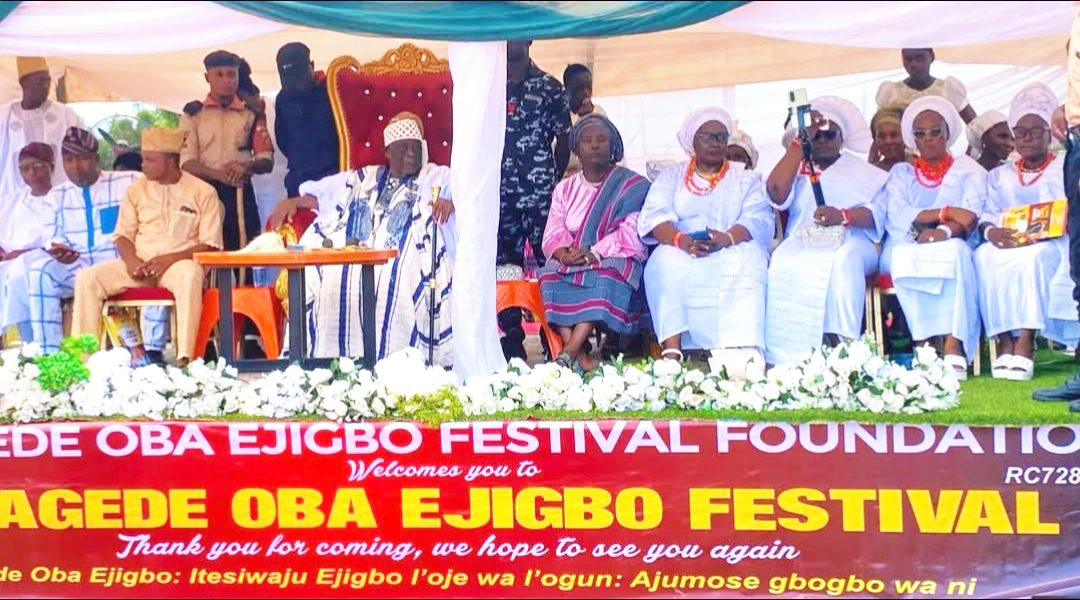
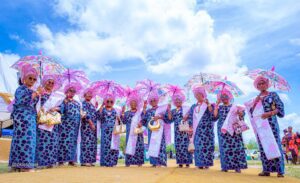

The ancient town of Ejigbo in Osun State once again came alive with colour, tradition, and cultural splendour as sons and daughters of the community gathered for the third edition of the Gbagede Oba Ejigbo Festival, held at the Baptist High School Field, Ejigbo.

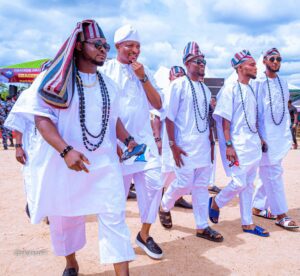
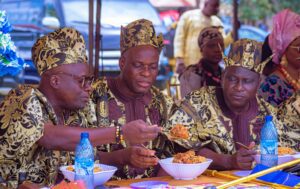
More than just a cultural gathering, the festival has continued to evolve into a significant platform for celebrating the rich heritage, unity, and enduring traditions of the people of Ejigbo. The event attracted traditional rulers, community leaders, cultural enthusiasts, and indigenes from across Nigeria and the diaspora, all united by a common desire to preserve and promote their ancestral identity.
At the heart of the celebration was a vibrant display of traditional music, dance, cultural performances, and age-old customs that have distinguished Ejigbo through generations. The festival served as a reminder of the importance of culture as a foundation for community development and social cohesion.
Speaking during the event, former Speaker of the Osun State House of Assembly, Dr. Najeem Salam, described the Gbagede Oba Cultural Festival as a proud symbol of the history, unity, and enduring traditions of Ejigbo.
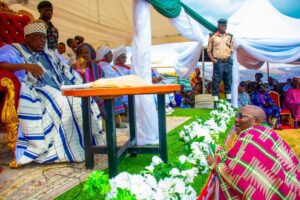
According to him, the festival represents far more than an annual gathering; it is a celebration of a people whose cultural values have remained resilient despite the pressures of modernisation and changing social realities.
“It was a great honour to join our people in celebrating this remarkable heritage and to pay my respects to the Ogiyan of Ejigboland, His Royal Majesty Oba Omowonuola Oyeyode Oyesosin II,” he said.
Dr. Salam noted that culture remains one of the strongest pillars of community identity and development, stressing that every generation has a responsibility to protect and preserve its heritage for those yet unborn.
“As a son of Ejigbo, I take pride in the values, culture, and spirit of our people. The preservation of our rich cultural identity is a responsibility we all share, and I remain committed to promoting initiatives that strengthen our communities while preserving the traditions that define us,” he added.
The festival also provided an opportunity for younger generations to reconnect with their roots, learn about the history of their ancestors, and appreciate the customs that have shaped Ejigbo’s identity over the centuries. In an era where globalisation continues to influence local cultures, events such as the Gbagede Oba Festival play a crucial role in safeguarding indigenous traditions and fostering a sense of belonging among the youth.
Observers noted that beyond its cultural significance, the festival has become an important avenue for promoting tourism, economic activities, and social interaction within the community. Local artisans, traders, and performers benefited from the influx of visitors, highlighting the potential of cultural festivals as drivers of local economic growth.
The presence and support of the Ogiyan of Ejigboland, HRM Oba Omowonuola Oyeyode Oyesosin II, further underscored the importance of traditional institutions in preserving cultural heritage and fostering communal harmony.
As the curtains drew on another successful edition of the festival, Dr. Salam congratulated the monarch, members of the festival committee, and all sons and daughters of Ejigbo for sustaining a tradition that continues to strengthen the bonds of unity among the people.
The success of the third edition of the Gbagede Oba Ejigbo Festival once again demonstrated that culture remains a powerful tool for preserving history, promoting peace, and inspiring collective progress. For the people of Ejigbo, the festival is not merely an event on the calendar; it is a living expression of their identity, pride, and shared destiny.
This version is written in a newspaper feature style, with a broader cultural and developmental perspective beyond the event itself.