
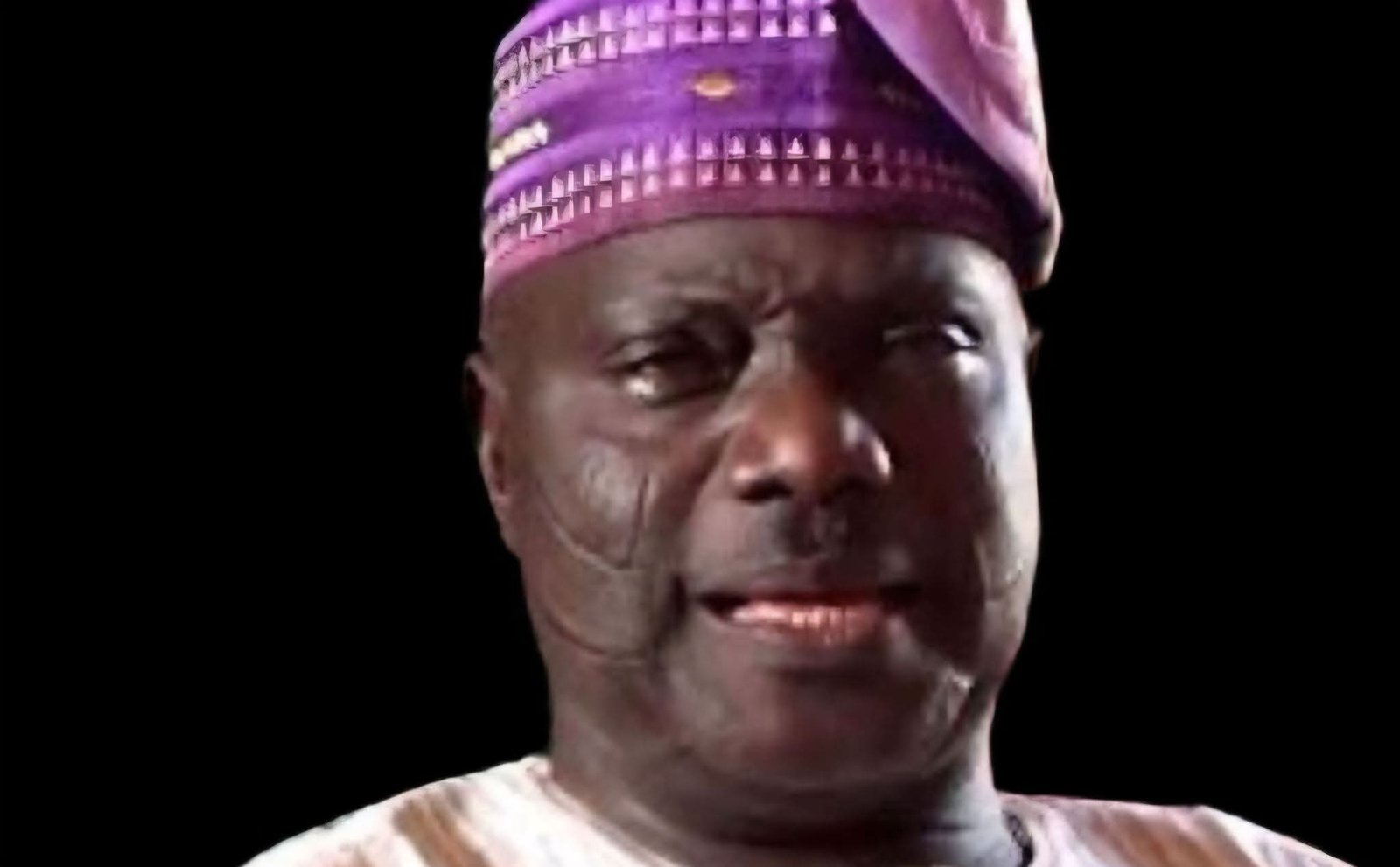
The ancient town of Iseyin in Oyo State has been thrown into mourning following the death of renowned juju musician, Prof. Yekini Kolawole Ajao, popularly known as Prof. Y.K. Ajao.


The late musician, a respected figure in Nigeria’s traditional music scene, was celebrated for his unique contribution to the evolution of juju music, particularly through his creation of the “Juju Makossa” style.

Born in Iseyin, Prof. Ajao hailed from a prominent family, with his father holding the traditional title of Baale in the town. He developed an early passion for music, beginning his journey at the age of nine before later moving from Iseyin to Ibadan and subsequently Lagos in pursuit of a professional career.
He went fully into music in 1973 when he formed his band, Y.K. Ajao & His Professional Brothers Band, marking the beginning of a decades-long career that saw him become a household name in the juju genre.
During his career, Prof. Ajao was mentored by legendary musicians such as Ebenezer Obey and also received support from Sikiru Ayinde Barrister during challenging periods in his musical journey.
His innovation of the Makossa-inspired juju rhythm helped him carve a distinct identity in the industry, especially at a time when stylistic similarities among artists made differentiation difficult. His breakthrough album, Makosa Series 1, marked a turning point, earning him wider recognition and commercial success.
Prof. Ajao’s contributions earned him several accolades, including a notable “Juju King” award, where he competed with top contemporaries such as King Sunny Adé and Ebenezer Obey.
He was also famously bestowed with the title “Professor” by veteran broadcaster Art Alade following an outstanding television performance—an identity that remained part of his stage name throughout his life.
Despite facing setbacks, including periods of low patronage in the 1970s and early 1980s, the late musician remained resilient, bouncing back to sustain a career that spanned several decades with over 40 albums to his credit.
Until his death, he was based in Ikorodu, Lagos, where he continued to be revered as a custodian of Yoruba musical heritage.
His death marks the end of an era for lovers of traditional juju music, particularly in Iseyin and across Oyo State, where he remained a cultural icon.
Tributes have begun pouring in from fans, colleagues, and cultural enthusiasts, who described him as a pioneer, innovator, and one of the enduring voices of indigenous Nigerian music.
He is survived by his family, wives, children, and a legacy deeply rooted in the preservation and advancement of juju music.
Funeral arrangements are expected to be announced by the family.
May his soul rest in peace.