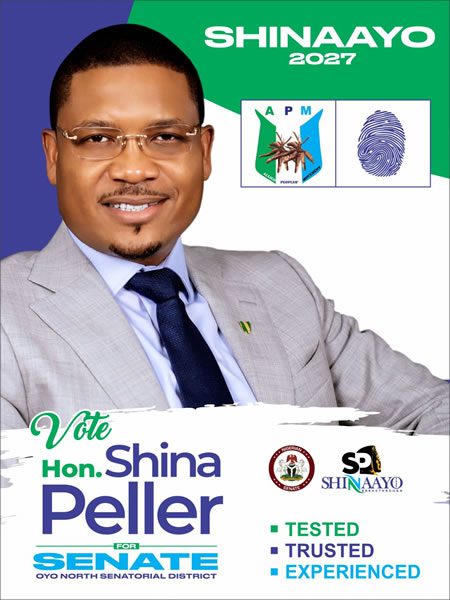
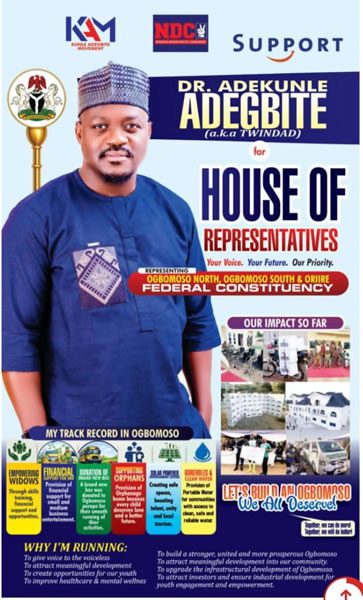
As another election season approaches, Nigerians are once again witnessing a familiar political script. Roads are suddenly being flagged off, relief materials are distributed with fanfare, promises of new infrastructure dominate headlines, and public officials appear more visible than ever before. For many citizens, these gestures may seem like signs of a responsive government. However, they also raise an important question: why do these interventions become more pronounced when elections are around the corner?

Over the past few years, millions of Nigerians have endured severe economic hardship. The removal of fuel subsidy, rising inflation, a weakened naira, increasing food prices and widespread unemployment have significantly reduced the purchasing power of ordinary citizens. Families have struggled to feed themselves, businesses have closed, and many young people have lost hope in the economy.
Yet, as the political calendar moves closer to another general election, governments at different levels are unveiling relief packages, commissioning projects and making fresh promises of prosperity. While development projects are necessary and welcome, citizens must ask whether these initiatives are part of long-term development plans or simply election-season strategies designed to win votes.
Democracy thrives when leaders are held accountable throughout their tenure, not only when they seek re-election. Good governance is measured by consistency in delivering quality education, healthcare, security, infrastructure and economic opportunities—not by last-minute interventions aimed at influencing public opinion.
Nigerians must resist the politics of impoverishment followed by political improvisation. A government should not preside over prolonged hardship only to introduce temporary relief when elections draw near. Citizens deserve sustainable policies that improve lives every day, not emergency measures that disappear once the ballots have been counted.
The coming months provide an opportunity for voters to reflect critically. Rather than being carried away by campaign slogans, cash handouts or hurried project inaugurations, Nigerians should evaluate leaders based on their entire record in office. Did they fulfil the promises they made at the beginning of their tenure? Were public resources managed transparently? Did government policies improve the quality of life for ordinary people?
An informed electorate is the greatest strength of any democracy. Voters should demand facts instead of propaganda, accountability instead of excuses, and measurable performance instead of political theatrics.
The power to shape Nigeria’s future ultimately lies with its citizens. Elections should not be won through temporary relief or carefully timed promises, but through proven leadership, integrity and a genuine commitment to improving people’s lives.
As the next election draws closer, Nigerians must remember that democracy is more than casting a vote. It is about asking difficult questions, demanding answers, and refusing to reward poor governance with another term in office. A nation that forgets yesterday’s hardship because of today’s promises risks repeating the same cycle tomorrow.
This election season, Nigerians should wise up. The future of the country depends not on the promises politicians make today, but on the performance they have demonstrated over the years.