
ADVERTISEMENT
  • Home
  • About Us
  • Contact Us
  • Privacy Policy
  • Advertise Here
  • Login
National Insight News
Advertisement
  • News
  • Politics
  • Business
  • Entertainment
  • Sports
  • Health
  • Tourism
No Result
View All Result
  • News
  • Politics
  • Business
  • Entertainment
  • Sports
  • Health
  • Tourism
No Result
View All Result
National Insight
No Result
View All Result
Home Featured

ICPC Hosts World Bank, UNODC Representatives on Stolen Asset Recovery Initiatives

by NationalInsight
August 16, 2023
in Featured, News
Reading Time: 2min read
0
2
SHARES
144
VIEWS
Share on FacebookShare on TwitterShare on WhatsApp

You might also like

The Jagz Unveils Jonathan Odia as General Manager, Announces 2026 Hospitality Conference

2027: Dotun Sanusi Urges Oyo Voters to Reject Politicians with Broken Promises

WASPEN Sets June 22–25 for 5th Clinical Nutrition Conference in Asaba

Load More

The Independent Corrupt Practices and Other Related Offences Commission (ICPC) on Monday, played host to representatives of the World Bank and the United Nations Office on Drugs and Crime (UNODC) on the Stolen Asset Recovery (StAR) initiative.

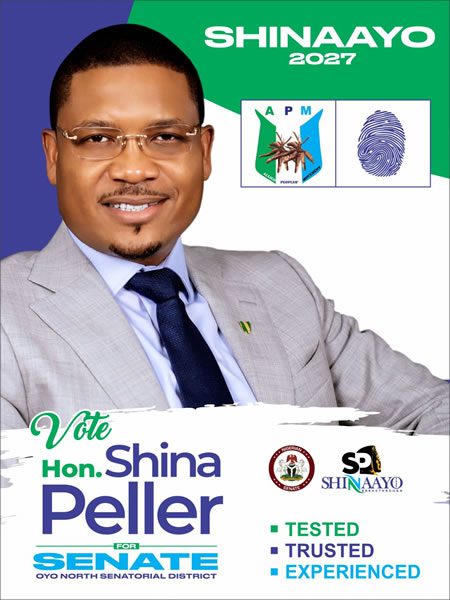
The meeting with the Technical Assistance Mission team from the World Bank and UNODC was hinged on exploring ways that the StAR initiative can support the implementation of asset recovery resolutions of the United Nations Convention against Corruption (UNCAC).

In his address at the meeting, the Chairman of ICPC, Professor Bolaji Owasanoye, SAN, OFR, explained how the Commission had been managing seized and forfeited assets especially with the instrument of the Proceeds of Crime (Recovery and Management) Act (POCA) 2022.

He stressed that the POCA Act had not only helped in bridging the architectural gaps in the fight against corruption but also was serving as a good working instrument for ICPC and other anti-corruption agencies.

He however noted that the POCA Act was still running a test period as many agencies were yet to have a full grasp of its potentials and its possible challenges.

“On a general note, I would say that POCA is still running the test period. For example, with regard to the management of assets, there are different frameworks prescribed by the law. It can be through the National Assembly, it can go through the Federal Executive Council (FEC).

“But the problem here is that when you make a recovery, you put it in a consolidated properties account, which you don’t have access to. So, if you then need to repair an asset, you cannot take money from that account. You have to wait till the next budget cycle. So, what is the point? Same thing if you dispose of assets, you have to pay the professional, the auctioneers, valuers and all that, when the money has gone into the consolidated properties account, you cannot touch it.”

While speaking on behalf of the mission team, a financial sector specialist with the World Bank, Elsa Gopala Krishnan, stated that the objectives of the mission was to deliver activities on the topic of management of proceeds of crime, organise workshops for relevant agencies under the recently adopted Proceeds of Crime Act and conduct meetings on Nigeria’s participation in a follow-up meeting to the Global Forum on Asset Recovery (the GFAR Action Series).

She said, “I am here with UNODC and the World Bank as part of the StAR initiative to look at the new program and looking at supporting Nigeria in implementing this (POCA) law in a way that is effective and really solves many of the problems everyone had hoped it would solve.

“I know people refer to it as a training or technical assistance, but really we’re going to spend the next two days trying to properly solve issues and come up with a program that helps us implement an asset management capacity that works for everybody in this country.”

The Independent Corrupt Practices and Other Related Offences Commission (ICPC) on Monday, played host to representatives of the World Bank and the United Nations Office on Drugs and Crime (UNODC) on the Stolen Asset Recovery (StAR) initiative.

The meeting with the Technical Assistance Mission team from the World Bank and UNODC was hinged on exploring ways that the StAR initiative can support the implementation of asset recovery resolutions of the United Nations Convention against Corruption (UNCAC).

In his address at the meeting, the Chairman of ICPC, Professor Bolaji Owasanoye, SAN, OFR, explained how the Commission had been managing seized and forfeited assets especially with the instrument of the Proceeds of Crime (Recovery and Management) Act (POCA) 2022.

He stressed that the POCA Act had not only helped in bridging the architectural gaps in the fight against corruption but also was serving as a good working instrument for ICPC and other anti-corruption agencies.

He however noted that the POCA Act was still running a test period as many agencies were yet to have a full grasp of its potentials and its possible challenges.

“On a general note, I would say that POCA is still running the test period. For example, with regard to the management of assets, there are different frameworks prescribed by the law. It can be through the National Assembly, it can go through the Federal Executive Council (FEC).

“But the problem here is that when you make a recovery, you put it in a consolidated properties account, which you don’t have access to. So, if you then need to repair an asset, you cannot take money from that account. You have to wait till the next budget cycle. So, what is the point? Same thing if you dispose of assets, you have to pay the professional, the auctioneers, valuers and all that, when the money has gone into the consolidated properties account, you cannot touch it.”

While speaking on behalf of the mission team, a financial sector specialist with the World Bank, Elsa Gopala Krishnan, stated that the objectives of the mission was to deliver activities on the topic of management of proceeds of crime, organise workshops for relevant agencies under the recently adopted Proceeds of Crime Act and conduct meetings on Nigeria’s participation in a follow-up meeting to the Global Forum on Asset Recovery (the GFAR Action Series).

She said, “I am here with UNODC and the World Bank as part of the StAR initiative to look at the new program and looking at supporting Nigeria in implementing this (POCA) law in a way that is effective and really solves many of the problems everyone had hoped it would solve.

“I know people refer to it as a training or technical assistance, but really we’re going to spend the next two days trying to properly solve issues and come up with a program that helps us implement an asset management capacity that works for everybody in this country.”
ALSO READ  Alleged N950m Fraud: EFCC Presents First Witness Against Young Alhaji Foundation Promoter In Lagos

The Independent Corrupt Practices and Other Related Offences Commission (ICPC) on Monday, played host to representatives of the World Bank and the United Nations Office on Drugs and Crime (UNODC) on the Stolen Asset Recovery (StAR) initiative.

The meeting with the Technical Assistance Mission team from the World Bank and UNODC was hinged on exploring ways that the StAR initiative can support the implementation of asset recovery resolutions of the United Nations Convention against Corruption (UNCAC).

In his address at the meeting, the Chairman of ICPC, Professor Bolaji Owasanoye, SAN, OFR, explained how the Commission had been managing seized and forfeited assets especially with the instrument of the Proceeds of Crime (Recovery and Management) Act (POCA) 2022.

He stressed that the POCA Act had not only helped in bridging the architectural gaps in the fight against corruption but also was serving as a good working instrument for ICPC and other anti-corruption agencies.

He however noted that the POCA Act was still running a test period as many agencies were yet to have a full grasp of its potentials and its possible challenges.

“On a general note, I would say that POCA is still running the test period. For example, with regard to the management of assets, there are different frameworks prescribed by the law. It can be through the National Assembly, it can go through the Federal Executive Council (FEC).

“But the problem here is that when you make a recovery, you put it in a consolidated properties account, which you don’t have access to. So, if you then need to repair an asset, you cannot take money from that account. You have to wait till the next budget cycle. So, what is the point? Same thing if you dispose of assets, you have to pay the professional, the auctioneers, valuers and all that, when the money has gone into the consolidated properties account, you cannot touch it.”

While speaking on behalf of the mission team, a financial sector specialist with the World Bank, Elsa Gopala Krishnan, stated that the objectives of the mission was to deliver activities on the topic of management of proceeds of crime, organise workshops for relevant agencies under the recently adopted Proceeds of Crime Act and conduct meetings on Nigeria’s participation in a follow-up meeting to the Global Forum on Asset Recovery (the GFAR Action Series).

She said, “I am here with UNODC and the World Bank as part of the StAR initiative to look at the new program and looking at supporting Nigeria in implementing this (POCA) law in a way that is effective and really solves many of the problems everyone had hoped it would solve.

“I know people refer to it as a training or technical assistance, but really we’re going to spend the next two days trying to properly solve issues and come up with a program that helps us implement an asset management capacity that works for everybody in this country.”
The Independent Corrupt Practices and Other Related Offences Commission (ICPC) on Monday, played host to representatives of the World Bank and the United Nations Office on Drugs and Crime (UNODC) on the Stolen Asset Recovery (StAR) initiative.

The meeting with the Technical Assistance Mission team from the World Bank and UNODC was hinged on exploring ways that the StAR initiative can support the implementation of asset recovery resolutions of the United Nations Convention against Corruption (UNCAC).

In his address at the meeting, the Chairman of ICPC, Professor Bolaji Owasanoye, SAN, OFR, explained how the Commission had been managing seized and forfeited assets especially with the instrument of the Proceeds of Crime (Recovery and Management) Act (POCA) 2022.

He stressed that the POCA Act had not only helped in bridging the architectural gaps in the fight against corruption but also was serving as a good working instrument for ICPC and other anti-corruption agencies.

He however noted that the POCA Act was still running a test period as many agencies were yet to have a full grasp of its potentials and its possible challenges.

“On a general note, I would say that POCA is still running the test period. For example, with regard to the management of assets, there are different frameworks prescribed by the law. It can be through the National Assembly, it can go through the Federal Executive Council (FEC).

“But the problem here is that when you make a recovery, you put it in a consolidated properties account, which you don’t have access to. So, if you then need to repair an asset, you cannot take money from that account. You have to wait till the next budget cycle. So, what is the point? Same thing if you dispose of assets, you have to pay the professional, the auctioneers, valuers and all that, when the money has gone into the consolidated properties account, you cannot touch it.”

While speaking on behalf of the mission team, a financial sector specialist with the World Bank, Elsa Gopala Krishnan, stated that the objectives of the mission was to deliver activities on the topic of management of proceeds of crime, organise workshops for relevant agencies under the recently adopted Proceeds of Crime Act and conduct meetings on Nigeria’s participation in a follow-up meeting to the Global Forum on Asset Recovery (the GFAR Action Series).

She said, “I am here with UNODC and the World Bank as part of the StAR initiative to look at the new program and looking at supporting Nigeria in implementing this (POCA) law in a way that is effective and really solves many of the problems everyone had hoped it would solve.

“I know people refer to it as a training or technical assistance, but really we’re going to spend the next two days trying to properly solve issues and come up with a program that helps us implement an asset management capacity that works for everybody in this country.”

ALSO READ  Police Arrest Eight Suspected Kidnappers Of Chibok Schoolgirls

The Independent Corrupt Practices and Other Related Offences Commission (ICPC) on Monday, played host to representatives of the World Bank and the United Nations Office on Drugs and Crime (UNODC) on the Stolen Asset Recovery (StAR) initiative.

The meeting with the Technical Assistance Mission team from the World Bank and UNODC was hinged on exploring ways that the StAR initiative can support the implementation of asset recovery resolutions of the United Nations Convention against Corruption (UNCAC).

In his address at the meeting, the Chairman of ICPC, Professor Bolaji Owasanoye, SAN, OFR, explained how the Commission had been managing seized and forfeited assets especially with the instrument of the Proceeds of Crime (Recovery and Management) Act (POCA) 2022.

He stressed that the POCA Act had not only helped in bridging the architectural gaps in the fight against corruption but also was serving as a good working instrument for ICPC and other anti-corruption agencies.

He however noted that the POCA Act was still running a test period as many agencies were yet to have a full grasp of its potentials and its possible challenges.

“On a general note, I would say that POCA is still running the test period. For example, with regard to the management of assets, there are different frameworks prescribed by the law. It can be through the National Assembly, it can go through the Federal Executive Council (FEC).

“But the problem here is that when you make a recovery, you put it in a consolidated properties account, which you don’t have access to. So, if you then need to repair an asset, you cannot take money from that account. You have to wait till the next budget cycle. So, what is the point? Same thing if you dispose of assets, you have to pay the professional, the auctioneers, valuers and all that, when the money has gone into the consolidated properties account, you cannot touch it.”

While speaking on behalf of the mission team, a financial sector specialist with the World Bank, Elsa Gopala Krishnan, stated that the objectives of the mission was to deliver activities on the topic of management of proceeds of crime, organise workshops for relevant agencies under the recently adopted Proceeds of Crime Act and conduct meetings on Nigeria’s participation in a follow-up meeting to the Global Forum on Asset Recovery (the GFAR Action Series).

She said, “I am here with UNODC and the World Bank as part of the StAR initiative to look at the new program and looking at supporting Nigeria in implementing this (POCA) law in a way that is effective and really solves many of the problems everyone had hoped it would solve.

“I know people refer to it as a training or technical assistance, but really we’re going to spend the next two days trying to properly solve issues and come up with a program that helps us implement an asset management capacity that works for everybody in this country.”

The Independent Corrupt Practices and Other Related Offences Commission (ICPC) on Monday, played host to representatives of the World Bank and the United Nations Office on Drugs and Crime (UNODC) on the Stolen Asset Recovery (StAR) initiative.

The meeting with the Technical Assistance Mission team from the World Bank and UNODC was hinged on exploring ways that the StAR initiative can support the implementation of asset recovery resolutions of the United Nations Convention against Corruption (UNCAC).

In his address at the meeting, the Chairman of ICPC, Professor Bolaji Owasanoye, SAN, OFR, explained how the Commission had been managing seized and forfeited assets especially with the instrument of the Proceeds of Crime (Recovery and Management) Act (POCA) 2022.

He stressed that the POCA Act had not only helped in bridging the architectural gaps in the fight against corruption but also was serving as a good working instrument for ICPC and other anti-corruption agencies.

He however noted that the POCA Act was still running a test period as many agencies were yet to have a full grasp of its potentials and its possible challenges.

“On a general note, I would say that POCA is still running the test period. For example, with regard to the management of assets, there are different frameworks prescribed by the law. It can be through the National Assembly, it can go through the Federal Executive Council (FEC).

“But the problem here is that when you make a recovery, you put it in a consolidated properties account, which you don’t have access to. So, if you then need to repair an asset, you cannot take money from that account. You have to wait till the next budget cycle. So, what is the point? Same thing if you dispose of assets, you have to pay the professional, the auctioneers, valuers and all that, when the money has gone into the consolidated properties account, you cannot touch it.”

While speaking on behalf of the mission team, a financial sector specialist with the World Bank, Elsa Gopala Krishnan, stated that the objectives of the mission was to deliver activities on the topic of management of proceeds of crime, organise workshops for relevant agencies under the recently adopted Proceeds of Crime Act and conduct meetings on Nigeria’s participation in a follow-up meeting to the Global Forum on Asset Recovery (the GFAR Action Series).

She said, “I am here with UNODC and the World Bank as part of the StAR initiative to look at the new program and looking at supporting Nigeria in implementing this (POCA) law in a way that is effective and really solves many of the problems everyone had hoped it would solve.

“I know people refer to it as a training or technical assistance, but really we’re going to spend the next two days trying to properly solve issues and come up with a program that helps us implement an asset management capacity that works for everybody in this country.”

ALSO READ  'Uphold Rule of Law, Develop Grassroots', Makinde Tasks New Council Chairmen

The Independent Corrupt Practices and Other Related Offences Commission (ICPC) on Monday, played host to representatives of the World Bank and the United Nations Office on Drugs and Crime (UNODC) on the Stolen Asset Recovery (StAR) initiative.

The meeting with the Technical Assistance Mission team from the World Bank and UNODC was hinged on exploring ways that the StAR initiative can support the implementation of asset recovery resolutions of the United Nations Convention against Corruption (UNCAC).

In his address at the meeting, the Chairman of ICPC, Professor Bolaji Owasanoye, SAN, OFR, explained how the Commission had been managing seized and forfeited assets especially with the instrument of the Proceeds of Crime (Recovery and Management) Act (POCA) 2022.

He stressed that the POCA Act had not only helped in bridging the architectural gaps in the fight against corruption but also was serving as a good working instrument for ICPC and other anti-corruption agencies.

He however noted that the POCA Act was still running a test period as many agencies were yet to have a full grasp of its potentials and its possible challenges.

“On a general note, I would say that POCA is still running the test period. For example, with regard to the management of assets, there are different frameworks prescribed by the law. It can be through the National Assembly, it can go through the Federal Executive Council (FEC).

“But the problem here is that when you make a recovery, you put it in a consolidated properties account, which you don’t have access to. So, if you then need to repair an asset, you cannot take money from that account. You have to wait till the next budget cycle. So, what is the point? Same thing if you dispose of assets, you have to pay the professional, the auctioneers, valuers and all that, when the money has gone into the consolidated properties account, you cannot touch it.”

While speaking on behalf of the mission team, a financial sector specialist with the World Bank, Elsa Gopala Krishnan, stated that the objectives of the mission was to deliver activities on the topic of management of proceeds of crime, organise workshops for relevant agencies under the recently adopted Proceeds of Crime Act and conduct meetings on Nigeria’s participation in a follow-up meeting to the Global Forum on Asset Recovery (the GFAR Action Series).

She said, “I am here with UNODC and the World Bank as part of the StAR initiative to look at the new program and looking at supporting Nigeria in implementing this (POCA) law in a way that is effective and really solves many of the problems everyone had hoped it would solve.

“I know people refer to it as a training or technical assistance, but really we’re going to spend the next two days trying to properly solve issues and come up with a program that helps us implement an asset management capacity that works for everybody in this country.”

The Independent Corrupt Practices and Other Related Offences Commission (ICPC) on Monday, played host to representatives of the World Bank and the United Nations Office on Drugs and Crime (UNODC) on the Stolen Asset Recovery (StAR) initiative.

The meeting with the Technical Assistance Mission team from the World Bank and UNODC was hinged on exploring ways that the StAR initiative can support the implementation of asset recovery resolutions of the United Nations Convention against Corruption (UNCAC).

In his address at the meeting, the Chairman of ICPC, Professor Bolaji Owasanoye, SAN, OFR, explained how the Commission had been managing seized and forfeited assets especially with the instrument of the Proceeds of Crime (Recovery and Management) Act (POCA) 2022.

He stressed that the POCA Act had not only helped in bridging the architectural gaps in the fight against corruption but also was serving as a good working instrument for ICPC and other anti-corruption agencies.

He however noted that the POCA Act was still running a test period as many agencies were yet to have a full grasp of its potentials and its possible challenges.

“On a general note, I would say that POCA is still running the test period. For example, with regard to the management of assets, there are different frameworks prescribed by the law. It can be through the National Assembly, it can go through the Federal Executive Council (FEC).

“But the problem here is that when you make a recovery, you put it in a consolidated properties account, which you don’t have access to. So, if you then need to repair an asset, you cannot take money from that account. You have to wait till the next budget cycle. So, what is the point? Same thing if you dispose of assets, you have to pay the professional, the auctioneers, valuers and all that, when the money has gone into the consolidated properties account, you cannot touch it.”

While speaking on behalf of the mission team, a financial sector specialist with the World Bank, Elsa Gopala Krishnan, stated that the objectives of the mission was to deliver activities on the topic of management of proceeds of crime, organise workshops for relevant agencies under the recently adopted Proceeds of Crime Act and conduct meetings on Nigeria’s participation in a follow-up meeting to the Global Forum on Asset Recovery (the GFAR Action Series).

She said, “I am here with UNODC and the World Bank as part of the StAR initiative to look at the new program and looking at supporting Nigeria in implementing this (POCA) law in a way that is effective and really solves many of the problems everyone had hoped it would solve.

“I know people refer to it as a training or technical assistance, but really we’re going to spend the next two days trying to properly solve issues and come up with a program that helps us implement an asset management capacity that works for everybody in this country.”

Tags: Chairman of ICPCIndependent Corrupt Practices and Other Related Offences CommissionOFRProceeds of Crime (Recovery and Management) Act (POCA) 2022.Professor Bolaji OwasanoyeSANUnited Nations Office on Drugs and Crime (UNODC)World Bank
Share5Tweet3Send
Previous Post

Ifa Council Suspends Proposed Isese Festival in Kwara

Next Post

One Dead, Three Missing as Seplat Drilling Rig Capsizes In Delta

NationalInsight

NationalInsight

Related Posts

Featured

The Jagz Unveils Jonathan Odia as General Manager, Announces 2026 Hospitality Conference

by NationalInsight
June 1, 2026
103
Jubril Dotun Sanusi
Featured

2027: Dotun Sanusi Urges Oyo Voters to Reject Politicians with Broken Promises

by NationalInsight
June 1, 2026
107
Featured

WASPEN Sets June 22–25 for 5th Clinical Nutrition Conference in Asaba

by NationalInsight
June 1, 2026
115
Featured

Ogbomoso Pivotal Club Expresses Despair Over Prolonged Captivity of Schoolchildren, Teachers

by NationalInsight
June 1, 2026
145
Featured

JAC Hails Makinde’s APM Presidential Ticket, Presses for 40% CATA Implementation

by NationalInsight
June 1, 2026
164
Next Post

One Dead, Three Missing as Seplat Drilling Rig Capsizes In Delta

Leave a Reply Cancel reply

Your email address will not be published. Required fields are marked *

This site uses Akismet to reduce spam. Learn how your comment data is processed.

Latest Post

The Jagz Unveils Jonathan Odia as General Manager, Announces 2026 Hospitality Conference

June 1, 2026
103
Jubril Dotun Sanusi

2027: Dotun Sanusi Urges Oyo Voters to Reject Politicians with Broken Promises

June 1, 2026
107

WASPEN Sets June 22–25 for 5th Clinical Nutrition Conference in Asaba

June 1, 2026
115
National Insight News
  • Home
  • About Us
  • Contact Us
  • Privacy Policy
  • Advertise Here

Recent Posts

  • The Jagz Unveils Jonathan Odia as General Manager, Announces 2026 Hospitality Conference
  • 2027: Dotun Sanusi Urges Oyo Voters to Reject Politicians with Broken Promises
  • WASPEN Sets June 22–25 for 5th Clinical Nutrition Conference in Asaba

Copyright © 2020 National Insight News

No Result
View All Result
  • Politics
  • Entertainment
  • News
    • Business
    • Health
    • Tourism
  • Sports
  • Contact Us
  • Privacy Policy

Copyright © 2020 National Insight News

Welcome Back!

Login to your account below

Forgotten Password?

Create New Account!

Fill the forms bellow to register

All fields are required. Log In

Retrieve your password

Please enter your username or email address to reset your password.

Log In
WP Twitter Auto Publish Powered By : XYZScripts.com