The Federal Government and state governments have been urged to provide stronger financial, regulatory and institutional support for community pharmacists to help reduce the cost of essential medicines and improve access to healthcare across Nigeria.




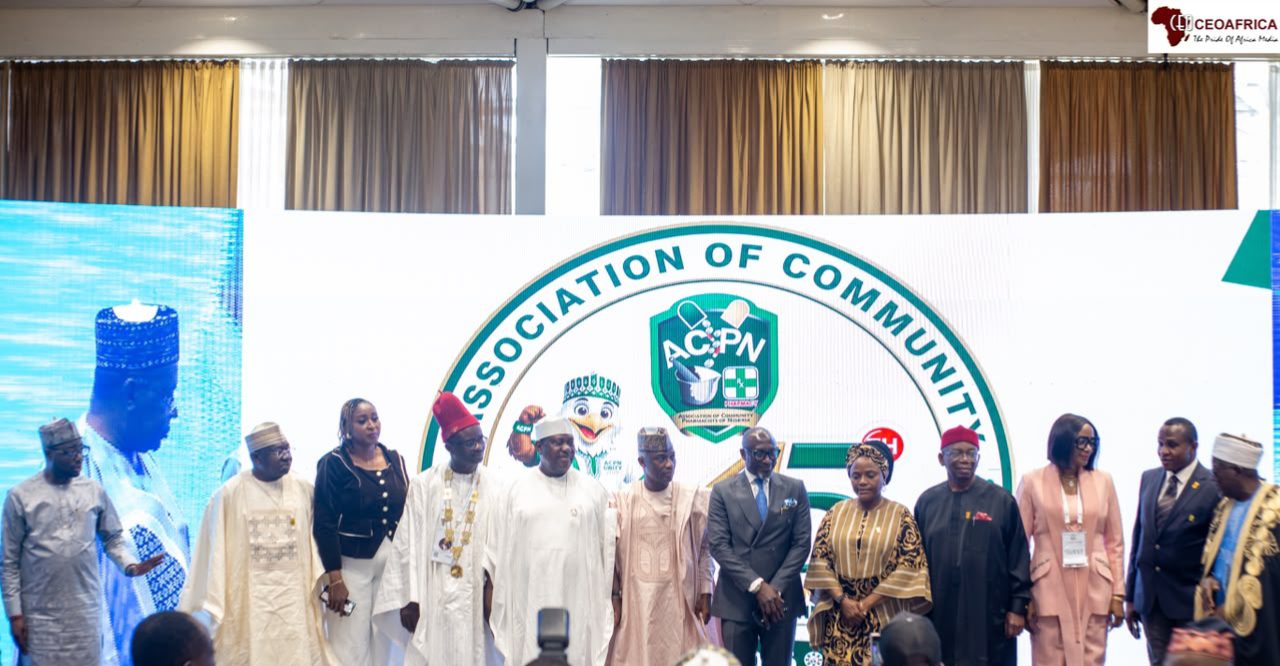
The call was made at the 45th Annual National Scientific Conference of the Association of Community Pharmacists of Nigeria (ACPN), held from July 27 to August 1, 2026, at the International Conference Centre, Abuja.
The conference, themed “UNITY 2026: From Local Pharmacy Practice to Global Impact, Managing Complex Healthcare Systems,” brought together government officials, legislators, regulators, pharmaceutical experts and community pharmacists to deliberate on the future of pharmaceutical care and healthcare delivery in Nigeria.
Representing the Speaker of the House of Representatives, Rt. Hon. Tajudeen Abbas, Chairman of the House Committee on Health Institutions, Hon. Amos Magaji, commended the ACPN for its contribution to promoting safe and responsible medicine use.
The Secretary to the Government of the Federation, Senator George Akume, who served as Special Guest of Honour, described community pharmacists as critical frontline healthcare providers and urged them to ensure that medicines available to Nigerians remain safe, effective, affordable and of assured quality.
Akume highlighted the Federal Government’s recent intervention, including the Executive Order suspending import duties, taxes and Value Added Tax on pharmaceutical raw materials, active pharmaceutical ingredients, medical equipment and other essential healthcare inputs.
He said the measure was designed to lower the cost of local pharmaceutical production, encourage domestic manufacturing and ultimately reduce medicine prices.
However, Akume acknowledged persistent challenges, particularly in rural communities where many Nigerians still face difficulties accessing affordable medicines and pharmaceutical services.
He urged community pharmacists to strengthen efforts against counterfeit and substandard medicines, drug abuse and substance misuse, while also contributing to disease surveillance, emergency preparedness and broader public health initiatives.
Similarly, Niger State Governor, Umaru Bago, called for stronger collaboration between state governments and community pharmacists, describing community pharmacies as resilient frontline healthcare centres whose potential should be integrated into the primary healthcare system.
Represented by the state Commissioner for Health, Dr. Murtala Muhammad Bagana, Bago advocated public-private partnerships with community pharmacists to strengthen medicine supply chains, reduce retail medicine costs and expand access to essential healthcare.
He specifically called for the integration of community pharmacies into state health insurance schemes and primary healthcare networks, saying such partnerships could help subsidise essential medicines and reduce the financial burden on vulnerable families.
The conference also featured contributions from the Coordinating Minister of Health and Social Welfare, Prof. Muhammad Ali Pate, represented by the Director for Food and Drugs, Mrs. Olufowobi Adeola-Yusuf; Minister of Humanitarian Affairs and Poverty Alleviation, Pharm. Dr. Bernard Mohammed Doro; and Executive Director of the National Primary Health Care Development Agency, Dr. Muyi Aina, represented by Pharm. Hauwa Tensei.
President of the Pharmaceutical Society of Nigeria and chief host, Pharm. Ayuba Tanko Ibrahim, stressed the importance of professional unity and policy coordination, noting that community pharmacists remain among the most accessible healthcare professionals and frequently serve as the first point of contact for Nigerians seeking medical assistance.
The ACPN National Chairman, Pharm. Ezeh Ambrose Igwekamma, described the conference as an opportunity to deepen collaboration between government and the pharmacy profession. He said pharmacists were ready to support government efforts aimed at improving healthcare delivery and urged policymakers to recognise the profession as a strategic partner in national development.
The Registrar and Chief Executive Officer of the Pharmacy Council of Nigeria, Pharm. Ibrahim Babashehu Ahmed, disclosed that the council was strengthening professional regulation, including efforts to improve regulation of online pharmacies.
Representing the Director-General of the National Agency for Food and Drug Administration and Control, Prof. Mojisola Christianah Adeyeye, Dr. Rametu Momodu urged pharmacists to make greater use of technology to improve medicine safety and surveillance.
She cited the NAFDAC Greenbook, Med Safety App and Scan2Verify technology as tools that could enhance monitoring and enable community pharmacies to serve as important surveillance points within Nigeria’s medicine-safety system.
Delivering the keynote address, titled “Raising Community Pharmacy Practice in Nigeria to Global Standard: Navigating the Complex Nigerian Political System,” Managing Director of Evans Therapeutics, Pharm. Wale Oyenuga, called for greater political engagement by pharmacists to influence policies that would support sustainable growth in the pharmaceutical sector.
In its communiqué, the ACPN also raised concerns over structural weaknesses in the healthcare system, drug abuse and the continuing brain drain affecting the pharmaceutical profession.
The association disclosed that more than 9,500 pharmacists had left Nigeria in recent years, warning that the loss of skilled professionals posed a serious threat to patient safety and effective healthcare delivery.
To bridge healthcare access gaps, the association called for greater utilisation of community pharmacies for first-contact services, including hypertension and diabetes screening, malaria care, antenatal services, family planning and smoking-cessation interventions.
It said expanding the role of community pharmacies would help decongest overstretched tertiary hospitals and bring essential healthcare services closer to Nigerians.
The ACPN also proposed several regulatory and institutional reforms, including tougher sanctions for counterfeit medicine dealers, the establishment of a National Drug Management Agency to coordinate the Drug Revolving Fund and centralised procurement, and the creation of a National Postgraduate College of Pharmacy.
On drug abuse, the association described the situation as a national social emergency and called for stiffer penalties for illicit drug distributors, increased taxation on alcohol and tobacco, modern rehabilitation centres across the six geopolitical zones, and improved funding for relevant enforcement and regulatory agencies.
The conference concluded with the election of a new National Executive Council for the 2026/2027 administration, with Pharm. Ezeh Ambrose Igwekamma emerging as National Chairman.
Other elected officers include Pharm. Adegboyega Oguntoye, National Vice Chairman; Pharm. Obiageri Ethel Ikwu, National Secretary; Pharm. Chioma Chike-Nwankwo, National Assistant Secretary; Pharm. Roland Tomiwa Rotimi, National Treasurer; Pharm. Giwa Babajide Hammed, National Financial Secretary; Pharm. Luke Atang Bokynyam, National Internal Auditor; Pharm. Samira Abubakar Umar, National Editor-in-Chief; and Pharm. Akpan Tony Anderson, National Publicity Secretary.
Pharm. Adewale Aderemi Oladigbolu emerged as Immediate Past National Chairman.
In his inaugural remarks, Igwekamma pledged to lead an administration focused on strengthening the association and expanding the role of community pharmacists in Nigeria’s healthcare system.
He urged the Federal Government to implement the resolutions reached at the conference, saying decisive action would strengthen medicine security, revitalise the health sector and make affordable healthcare more accessible to Nigerians.