
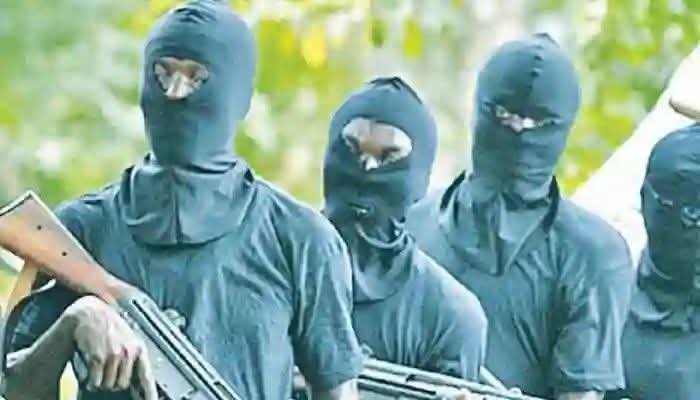
Five years ago, terrorists stormed a Catholic church in Owo and murdered worshippers who had gathered to pray and serve God. Since then, several churches, mosques, schools, and communities across Nigeria have suffered similar attacks. Many innocent citizens have been kidnapped, killed, or displaced while carrying out their daily activities.


Banditry has gradually become one of the most frightening realities of modern Nigeria. What was once considered an occasional security challenge has evolved into a national crisis. Thousands of Nigerians have fallen victim to kidnappers, bandits, and terrorists. Yet, our most common response remains the same: prayer vigils, fasting programmes, and calls for divine intervention.

Prayer is important. I believe in prayer because I know that what God cannot do does not exist. However, in the current situation, Nigeria needs more than prayers. We must confront insecurity with courage, strategy, and decisive action. Fasting and prayer cannot replace responsibility. Faith without action is ineffective.
The Bible itself teaches that there is a season for everything. Ecclesiastes 3:8 declares: “A time to love and a time to hate, a time for war and a time for peace.”
Nigeria appears to be in a season where peace can only be secured through firm and deliberate action against those who have chosen violence as a way of life. If we desire lasting peace, we must first defeat the enemies of peace.
The Scriptures provide many examples of God’s people defending themselves against invaders. When the Amalekites attacked Israel, Moses prayed, but Joshua led soldiers into battle with weapons (Exodus 17:8-13). Prayer and military action worked together to secure victory.
In another instance, when the enemies of Israel threatened Jerusalem, Nehemiah encouraged the people to trust in God, but he also armed them for battle. Nehemiah 4:17-18 records that the builders worked with one hand and held weapons in the other. They prayed, but they also prepared to fight.
King David, one of the men closest to God in the Bible, did not rely on prayers alone when defending his people. He developed military strategies, trained warriors, and confronted enemies on the battlefield while trusting God for victory.
Even the nation of Israel today, often regarded by many Christians as a biblical model, combines faith with preparedness. The country invests heavily in intelligence gathering, military technology, and national defence. It does not rely solely on prayers while enemies attack its citizens.
Meanwhile, Nigerians continue to pray and protest while bandits kill soldiers, sack communities, and abduct innocent citizens almost daily. Our forefathers did not surrender their lands to invaders. They resisted oppression with courage, sacrifice, sweat, and blood.
This is not an argument against prayer. Rather, it is a call for balance. We must pray and act. We must seek divine protection while demanding effective security measures. We must support our security agencies with the resources, equipment, intelligence, and political will required to defeat criminal elements.
Our leaders must rise above selfish interests and place national security above politics. Religious leaders must speak honestly to their congregations and encourage vigilance, preparedness, and civic responsibility. Citizens must remain alert and cooperate with security agencies.
Nigeria cannot fast its way out of banditry while refusing to confront the criminals responsible for it. We cannot pray for peace while allowing those who threaten peace to operate without consequence.
The lesson from Scripture is clear: God’s people prayed, but they also fought when necessary. As a nation, we must do the same.
For there is indeed “a time for war and a time for peace.”