
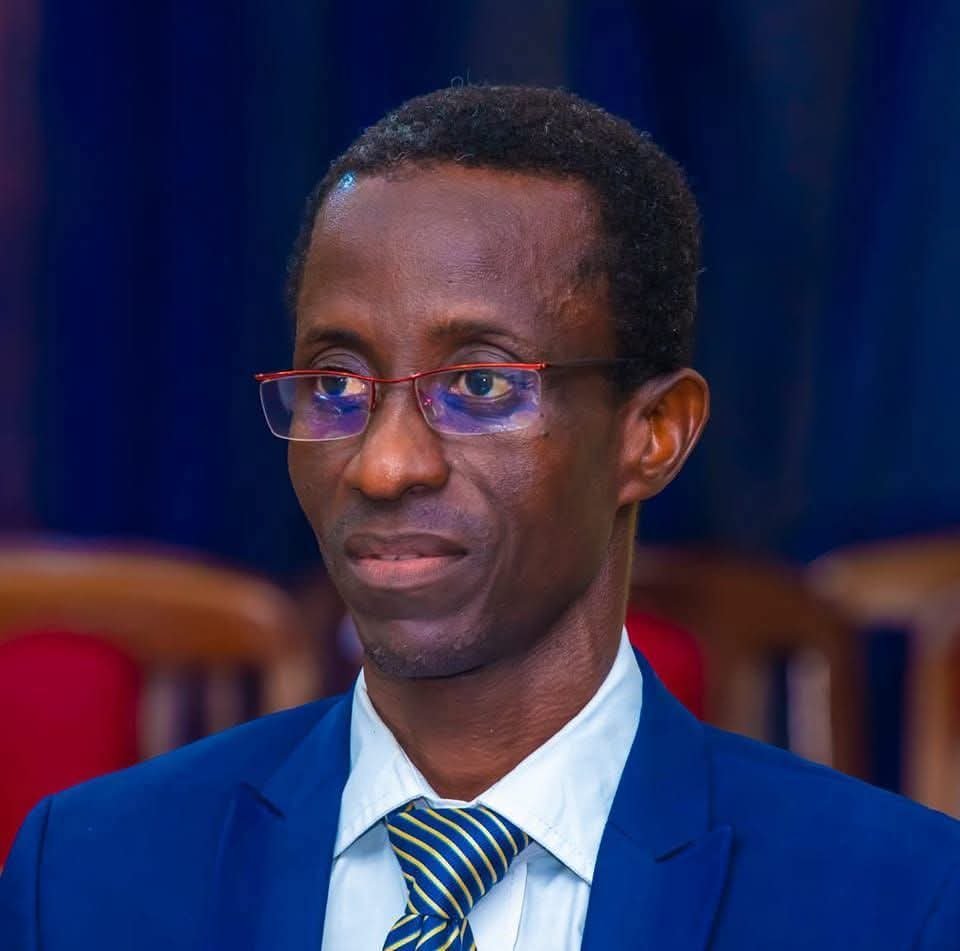
The 14th Vice Chancellor University of Ibadan, Professor Peter Olapegba, on monday promised to preserve what works and reform the institution for the future and produce students who are critical thinkers and problem solvers.


He stated this while speaking during his inauguration lecture held at the Trenchard Hall of the University.

Professor Olapegba stated that his administration will promote internationalisation of UI through collaboration, student exchange programs, and visiting scholarships.
While noting that “excellence costs money, the 14th Vice Chancellor noted that Government funding remains essential, while promising to explore knowledge commercialisation and industry partnership.”
He promised AI-literacy education at the institution through strengthening of a digital ecosystem in its operations.
While delivering the inauguration lecture, Professor of African History and Black studies at Northwestern University, United States of America Akin Ogundiran, stated that “To be relevant, the university must become more African and more global; more rooted and more connected; more technologically capable and more humanistic; more entrepreneurial and more ethical; more independent in thought and more accountable in service. Knowledge sovereignty means meeting the world standing upright: collaborating without subordination, learning without surrendering agency, and partnering without becoming dependent. Africa must not merely be a place where other people’s theories are tested. It must be a place from which theories, technologies, and solutions originate.”
Chairman of the Inauguration lecture, Emeritus Professor Oluwole Akande, stated that Professor Olapegba “brings to the office valuable institutional experience and an understanding of the responsibilities involved in managing a university of Ibadan Stature.”
He noted that “African universities must certainly be consumers of global knowledge, but they must also be producers of knowledge. We must strengthen research, promote innovation, preserve our intellectual and cultural heritage, and develop solutions to the challenges confronting our societies. Our relevance will ultimately be measured not only by our academic publications and international rankings but also by our contributions to human development, social progress, and national transformation”