
President Bola Ahmed Tinubu has approved a ₦17 billion Community-Led Development Fund to drive grassroots interventions across Nigeria’s 8,804 wards, alongside the upgrade of a key health institution in Zaria.


The initiative, announced by the Federal Government, will be implemented through a newly established Community-Based National Social Action Fund Taskforce, aimed at accelerating socio-economic development by empowering communities to identify and execute projects based on local priorities.

Under the framework, each of the 8,804 wards will engage a verified community-based organisation or association to implement priority projects.
The government noted that the initiative builds on earlier reforms, including the creation of the Social Action Fund (SAF) in 2023 and the Community-Based Procurement Platform introduced in January 2026 to ease access for community groups executing projects of up to ₦50 million.
Implementation of the programme commenced on March 1, 2026, and is expected to run through December 2026. A Programme Management Unit domiciled in the Sector-Wide Approach (SWAp) Coordination Office of the Federal Ministry of Health and Social Welfare will oversee execution.
To support the rollout, the Federal Ministry of Finance and the Office of the Accountant-General of the Federation have been directed to release ₦17 billion into a ring-fenced intervention account to fund implementation, monitoring, communication, and accountability processes.
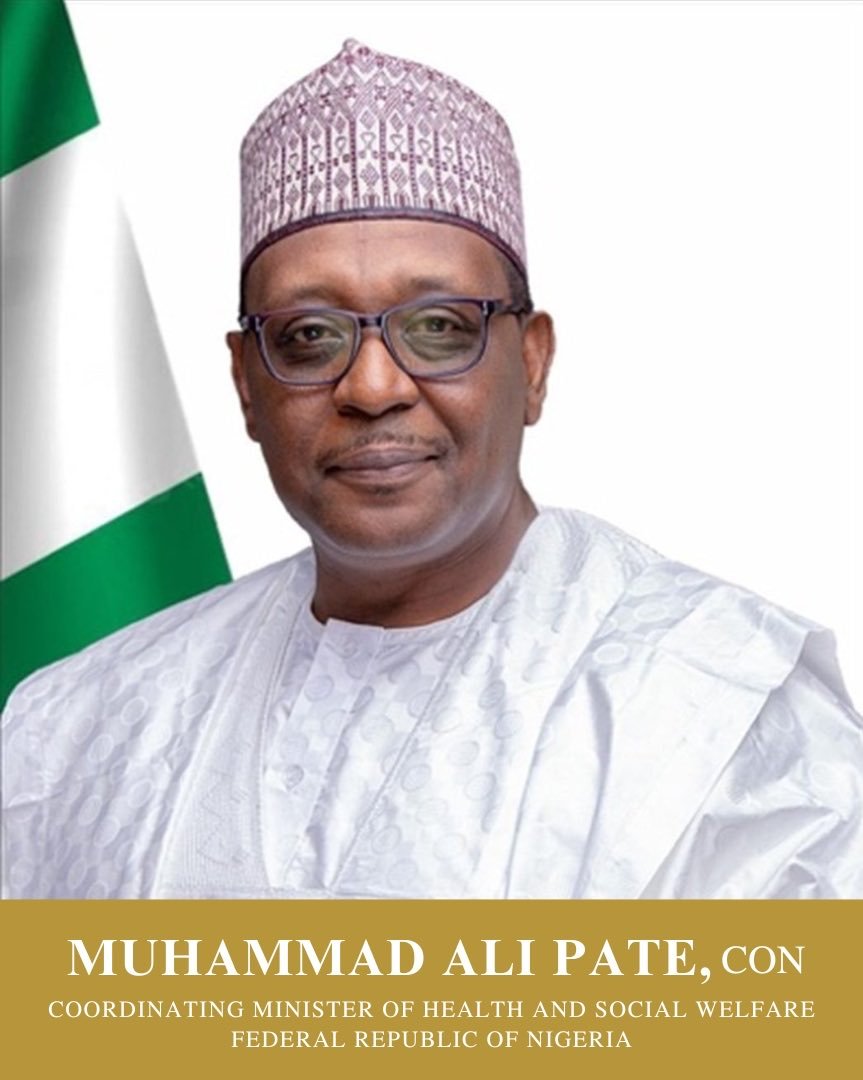
The Coordinating Minister of Health and Social Welfare, Muhammad Ali Pate, described the initiative as a shift towards community-driven development, noting that it would enable wards to address critical needs such as nutrition support, provision of essential health commodities, and minor infrastructure improvements in schools, healthcare facilities, and sanitation systems.
The Taskforce will be chaired by the minister and include key government officials such as the Ministers of Finance and Humanitarian Affairs, Ministers of State in relevant ministries, and heads of agencies including the Bureau of Public Procurement, Budget Office, and the Independent Corrupt Practices and Other Related Offences Commission (ICPC).
In a related development, President Tinubu also approved the upgrade of the National Tuberculosis and Leprosy Training Centre in Zaria to the National Institute of Public Health and Infectious Diseases.
The upgrade is expected to strengthen Nigeria’s capacity for disease surveillance, emergency preparedness, and rapid response.
The institute will serve as a multidisciplinary hub for public health training, research, and workforce development, enhancing the country’s preparedness to manage infectious disease threats.