

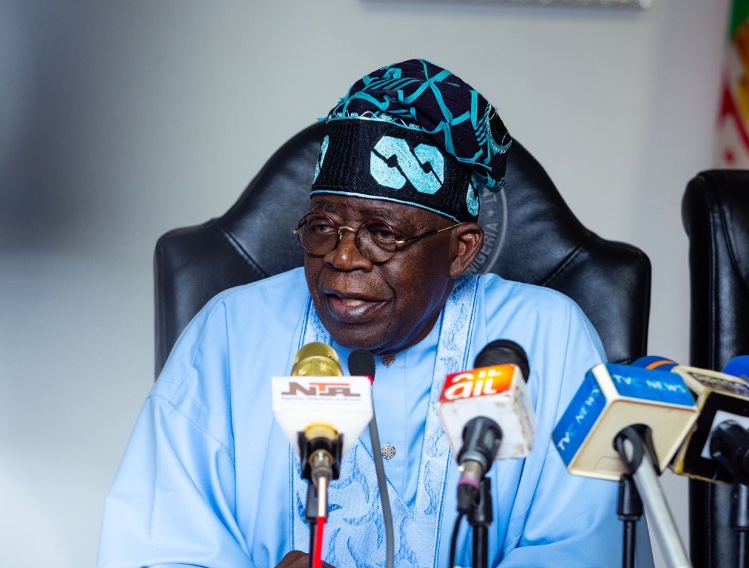
The list of 32 ambassadorial nominees recently forwarded to the Senate by President Bola Ahmed Tinubu has continued to trigger strong reactions across Nigeria’s political landscape, with major opposition parties condemning the selections while the ruling All Progressives Congress (APC) insists the criticisms are misplaced.
The Peoples Democratic Party (PDP), in a statement signed by its National Publicity Secretary, Comrade Ini Ememobong, described the list as “reprehensible, scandalous and a sad commentary on Nigeria’s diplomatic history.”
The party accused the President of nominating “disgraced propagandists, characterless politicians and public officials with integrity deficits,” adding that the choices reflect poorly on the administration’s values and priorities.
The PDP said Nigerians were not surprised by the list, alleging it was consistent with what it called the administration’s pattern of governance.
A particular point of outrage for the party was the nomination of the immediate past Chairman of the Independent National Electoral Commission (INEC), Prof. Mahmood Yakubu, whose stewardship it described as marked by “double-speak, flip-flops and unfulfilled promises.”
The PDP warned that offering Yakubu such an appointment was “a skewed reward system” and could serve as an incentive for future electoral manipulation ahead of the 2027 polls.
It demanded the immediate withdrawal of the list and urged the President to nominate only persons with “stellar democratic credentials and high moral standing.”
The African Democratic Congress (ADC) and the New Nigeria Peoples Party (NNPP) also criticised the envoy list, describing it as politically motivated and poorly timed.

Speaking to Sunday PUNCH, ADC spokesperson Bolaji Abdullahi dismissed the nominations as “jobs for the boys.”
He argued that after more than two years of delay, the government’s eventual list suggests a lack of seriousness.
Abdullahi also questioned whether nominees posted to major nations such as the United States, United Kingdom and Russia could secure agrément before Nigeria’s next general elections.
“By the time they are screened, accepted and able to present their letters of credence, we may already be in the middle of next year,” he said, adding that postings to countries like Washington, Beijing and London typically face lengthy approval processes.
Similarly, NNPP spokesperson Ladipo Johnson said Yakubu’s inclusion raises concerns about perception and credibility.
He noted that since Yakubu oversaw the contentious 2023 general election that produced President Tinubu, the decision to appoint him barely a month after he left office “sends the wrong signal.”
The ruling APC, however, defended the President’s choices and dismissed the backlash as unnecessary political mischief.
APC National Publicity Director, Bala Ibrahim, told Sunday PUNCH that opposition parties were unfairly targeting Yakubu, arguing that serving as INEC chairman does not disqualify anyone from future national service.
“By nominating him, is he going there to supervise elections?” Ibrahim asked. “He is going to represent Nigeria, not a political party.”
He added that previous INEC chiefs, including Prof. Attahiru Jega, had undertaken public assignments after their tenure without attracting similar criticism.
Ibrahim maintained that even if the nomination were seen as a reward, “it is a reward anyone can be entitled to for a job well done.”
He further argued that Yakubu’s ability to “come out clean” after overseeing multiple electoral cycles makes him fit for any high-level national responsibility.
Credit Sunday Punch