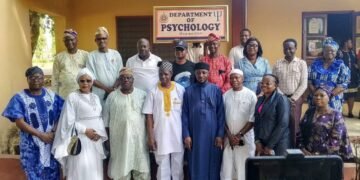


Youth advocate and community development practitioner, Faysol Oluwakemi, has called for greater inclusion of young Nigerians in governance, saying the next political dispensation must open its doors wider for youth leadership.
Oluwakemi, who has been active in health advocacy, media engagement and grassroots development, said his interactions across communities continue to reveal “extraordinary strength, creativity and commitment” among Nigerian youths.

According to him, the present moment offers a defining opportunity for the country to embrace new ideas and bold thinking, particularly in tackling critical issues such as economic restructuring, digital transformation, public health challenges and community development.
He noted that Nigerian youths have demonstrated readiness to lead, innovate and build, stressing that what they require is trust, opportunity, mentorship and the space to actualize their potential.
“For years, through my work with communities, institutions and policymakers, one message has remained consistent — the creativity, resilience and intellectual power of Nigerian youths remain unmatched,” he said.
Oluwakemi added that despite their competence, systemic barriers continue to hinder youth participation in governance, insisting that dismantling such obstacles is essential for national progress.
Describing youth inclusion as a proven developmental strategy, he said nations that thrive do so by deliberately investing in their young people and empowering them as key stakeholders in decision-making.
“The next political dispensation must not merely accommodate youths; it must trust them, equip them and position them at the centre of shaping Nigeria’s future,” he stated.

Oluwakemi emphasized the need for leadership that reflects modern realities — innovation, empathy, digital literacy, community awareness and clear understanding of socio-economic challenges — qualities he said are abundant among young Nigerians.
Reaffirming his commitment to youth empowerment, he said he would continue to champion platforms that promote mentorship, capacity-building and community-focused initiatives.
He concluded that allowing youths to take charge is no longer a political talking point but a national necessity, stressing that Nigeria’s future will be shaped by the opportunities created for young people today.