

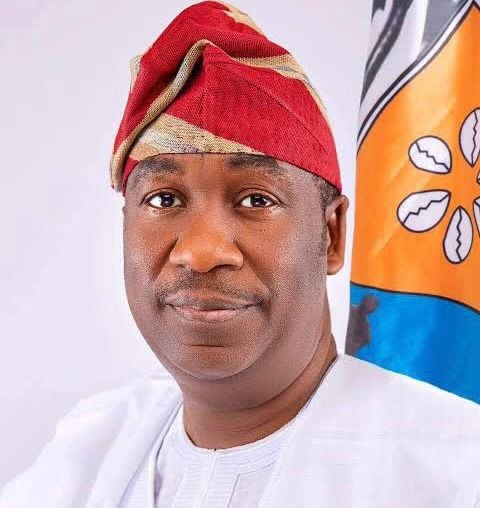
As early political permutations for the 2027 Lagos State gubernatorial election begin to take shape, Deputy Governor Dr. Kadri Obafemi Hamzat remains a central figure in succession discussions.
However, emerging reports suggest that his potential candidacy is navigating a complex landscape of traditional, demographic, and internal party considerations.
While Dr. Hamzat is widely recognized for his extensive administrative experience, having served in the state’s cabinet in various capacities since the early 2000s, a broader conversation is emerging among political stakeholders regarding his profile.
A primary topic in this evolving discourse centers on indigeneship. Sections of the indigenous IBILE communities are reportedly expressing a preference for a candidate with direct ancestral roots in Lagos State.
In these discussions, Dr. Hamzat’s heritage is frequently referenced; specifically, noting that his late father, Oba Mufutau Olatunji Hamzat, was a revered traditional ruler in neighboring Ogun State. For advocates of indigenous representation, this distinction remains a significant factor in evaluating the cultural alignment of future leadership.
Beyond demographic considerations, political analysts and internal party observers are weighing Dr. Hamzat’s strong technocratic background against the demand for grassroots political mobilization.
Nonetheless, some party loyalists are advocating for a candidate with more pronounced connections to the younger demographic and street-level political structures, emphasizing the need for robust popular appeal.
Within the ruling All Progressives Congress (APC) in Lagos, these discussions reflect a larger debate on candidate selection methodologies. Some grassroots leaders are calling for greater inclusivity in the primary process.

Proponents of this view argue that prioritizing populist, home-grown candidates will better galvanize the party’s base and ensure stronger voter turnout in the 2027 elections.
Furthermore, civil society voices and political commentators are debating the future trajectory of the state’s governance.
While acknowledging the milestones achieved over the last two decades under the current political framework, some stakeholders are advocating for a paradigm shift. They suggest that as Lagos approaches a new political chapter, there may be a need for fresh policy perspectives and innovative approaches to build upon the existing state development masterplan.
As the 2027 electoral cycle approaches, the discourse surrounding the Lagos gubernatorial seat is expected to intensify, balancing the merits of experienced technocracy with the demands for grassroots connection and indigenous representation.