
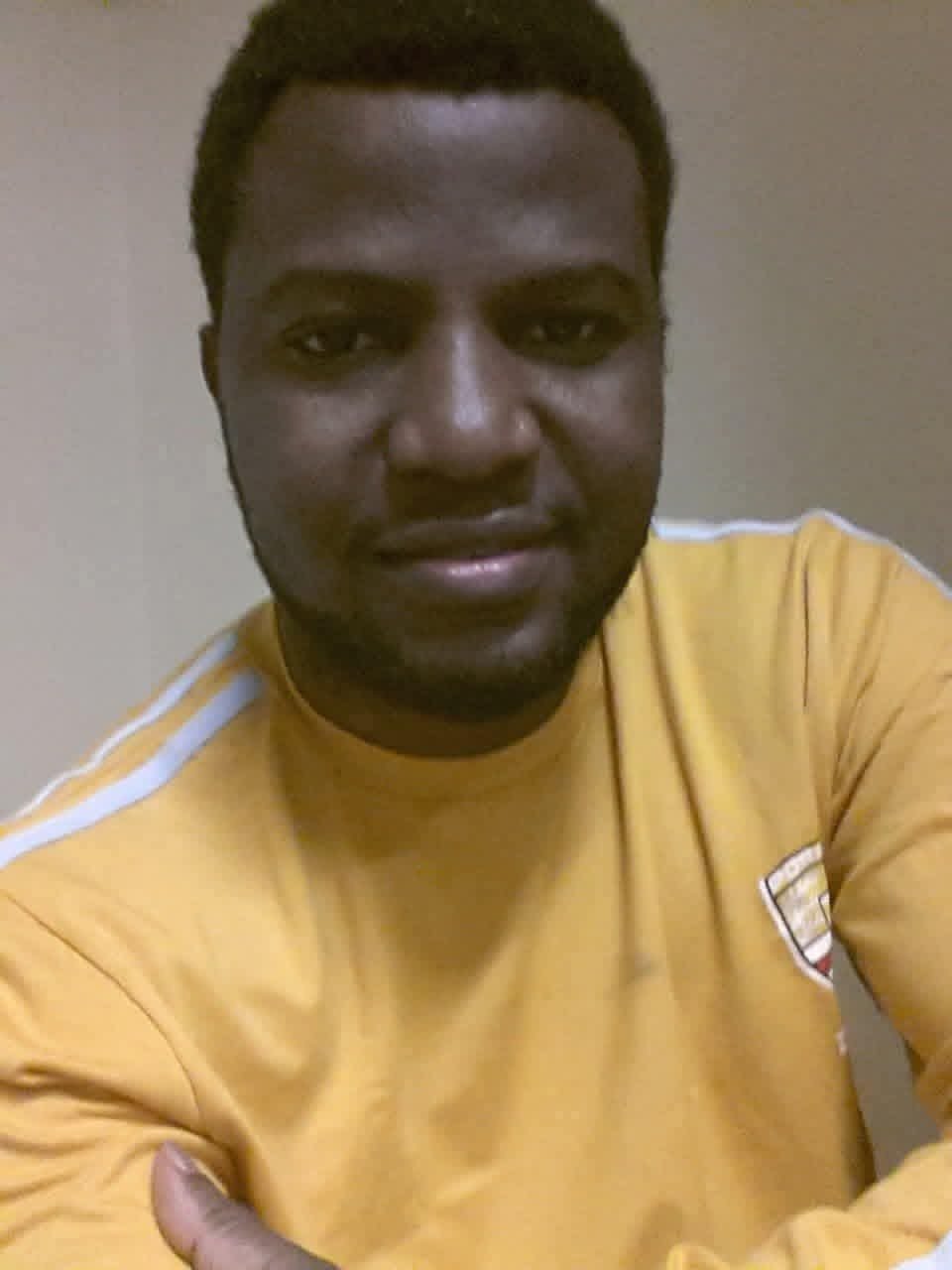
The Nigerians in Diaspora Commission (NIDCOM) has clarified the circumstances surrounding the prolonged detention of Suleimon Olufemi, a Nigerian national on death row in Saudi Arabia, stating that all conditions for his release, including the payment of required blood money, have been fulfilled.
The commission made the statement on Tuesday, responding to an open letter from Amnesty International urging President Bola Ahmed Tinubu to intervene in Olufemi’s case. NIDCOM said while Amnesty International presented the case as a human rights concern, it omitted key facts surrounding Olufemi’s arrest and ongoing diplomatic efforts to secure his freedom.
According to the commission, Olufemi travelled to Saudi Arabia over 20 years ago for Umrah and later visited a friend in Jeddah, where a police officer was killed during an incident. He was among several people arrested at the scene and subsequently sentenced to death, while others received prison terms. Under Saudi law, the family of the deceased officer could grant a pardon or insist on execution once the victim’s child turned 18.
After extensive diplomatic engagement, the family demanded blood money (Diyya) of $570,000 as a condition for pardon. NIDCOM said the amount was requested more than three years ago and that Amnesty International was contacted to assist in raising the funds but did not participate. The full sum has since been raised and paid through combined efforts involving NIDCOM, the Association of Nigerians in Saudi Arabia, and the Yaro brothers, with significant support from Lagos State Governor Babajide Sanwo-Olu and Seyi Tinubu, who together contributed approximately $150,000. The remaining funds were sourced through a GoFundMe campaign, and payment was completed during former President Muhammadu Buhari’s administration.
Following the payment, NIDCOM said the Ministry of Foreign Affairs and the Nigerian Embassy in Saudi Arabia have intensified engagements with Saudi authorities on Olufemi’s release. The commission expressed optimism that Olufemi would soon be pardoned, noting he has spent more than two decades in detention for an offence that could not be conclusively proven, describing his ordeal as a case of being “in the wrong place at the wrong time.”
Amnesty International, in its open letter to President Tinubu, urged the Nigerian government to take urgent action, describing Olufemi’s detention as a prolonged ordeal. The organisation highlighted that he had been denied legal representation, consular access, and proper translation during his trial, and alleged that he and others arrested were tortured and forced to sign statements in Arabic. Amnesty noted that while the Diyya payment had been completed on July 4, 2024, Olufemi remained on death row at Al-Shumaisi prison with no legal representation, and his family had received no information about the status of his case.
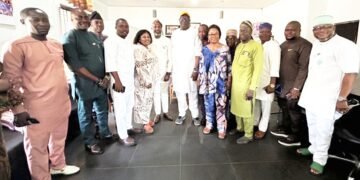
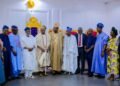
NIDCOM acknowledged Amnesty International’s advocacy but urged the organisation to present factual and complete information rather than what it described as a selective narrative. The commission also revealed that the Chairman of NIDCOM had met Olufemi’s elderly parents at the commission’s Lagos office on December 30, 2020.
The commission appealed to Saudi authorities to release Olufemi in the spirit of justice, fairness, and the long-standing diplomatic relationship between Nigeria and the Kingdom of Saudi Arabia.

The statement was signed by Abdur-Rahman Balogun, Director of Media, Public Relations and Protocols, NIDCOM, and dated December 23, 2025.