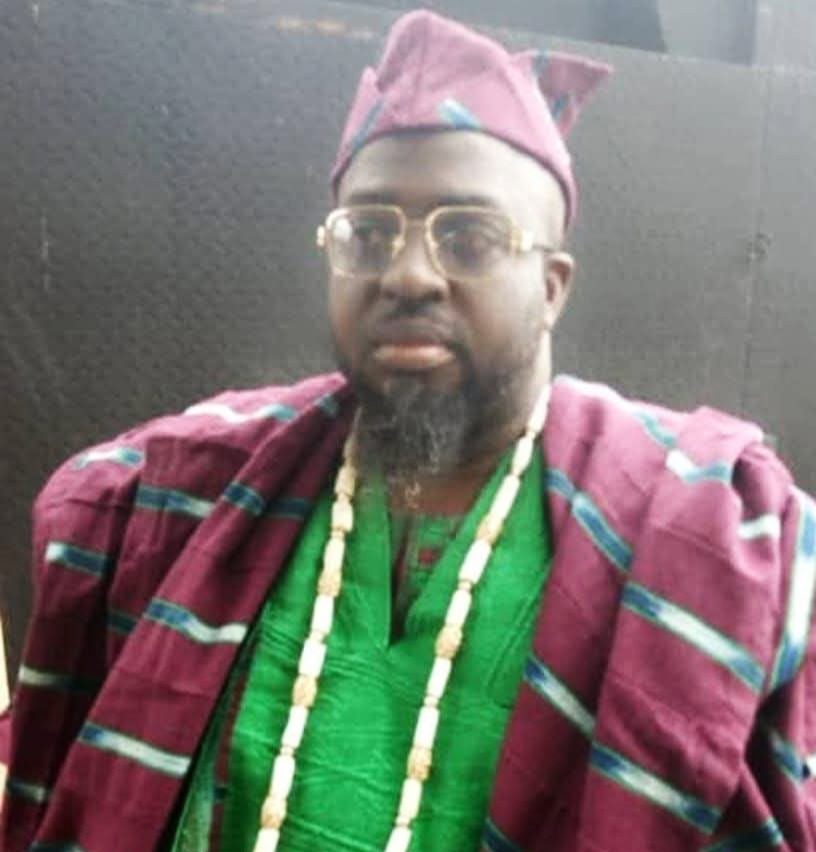
The famous Ibadan political philosophy of “Ọmọ wa ni ẹ jẹ o se” remains relevant ahead of the 2027 elections, President of the Ibadan Royal Advancement Forum, Mogaji Gbolagade Moshood Akere, has declared.


Akere said there was nothing wrong with Ibadan indigenes choosing to support one of their own, arguing that such a decision should not be construed as an attack on candidates from outside Ibadan.

He made the submission against the backdrop of the controversy trailing the reported endorsement of Governor Seyi Makinde by some Ibadan Mogajis.
The Ibadan political leader said the controversy should not be reduced to whether every Mogaji in Ibadanland was consulted before the declaration, but should instead focus on the fundamental right of individuals and groups to make their own political choices.
According to him, Ibadan’s political history provides ample evidence that the people have, at different times, rallied behind one of their own when they considered it politically expedient.
“Our fathers did it in 1983. They rallied around one of their own, Chief Victor Omololu Olunloyo, against the incumbent governor, Chief Bola Ige. The spirit was Ọmọ wa ni ẹ jẹ o se.
“If they had the right to make that choice then, why should our generation be told that we cannot choose our own today?” he asked.
Akere maintained that supporting an Ibadan indigene should not automatically amount to opposition against other political candidates.
“If we are truly the sons of the soil, what is wrong with supporting our own? Is there any law that says an Ibadan Mogaji cannot endorse an Ibadan son because some other Mogajis may disagree?” he queried.
He stressed that Ibadanland had never been politically homogeneous, noting that divergent political views had always existed among its people.
“An endorsement does not have to be unanimous before it becomes an endorsement. Those who support Makinde have spoken for themselves. Those who disagree are also free to speak for themselves. That is democracy,” he said.
Akere also cautioned against attempts to use traditional titles or positions to curtail the political freedom of their holders.
He argued that traditional responsibilities and individual political choices could coexist, provided political differences were expressed peacefully and responsibly.
“Let us not kill the spirit of Ọmọ wa ni ẹ jẹ o se. Our fathers exercised their political choice. We too have the right to exercise ours,” Akere declared.
He, however, acknowledged that the eventual outcome of the 2027 governorship election would not be determined by any traditional group, political organisation or individual, stressing that the final decision rested with the electorate.
“Let Ibadan speak. Let every Mogaji speak. Let every citizen speak. Then let the people decide,” Akere said.