
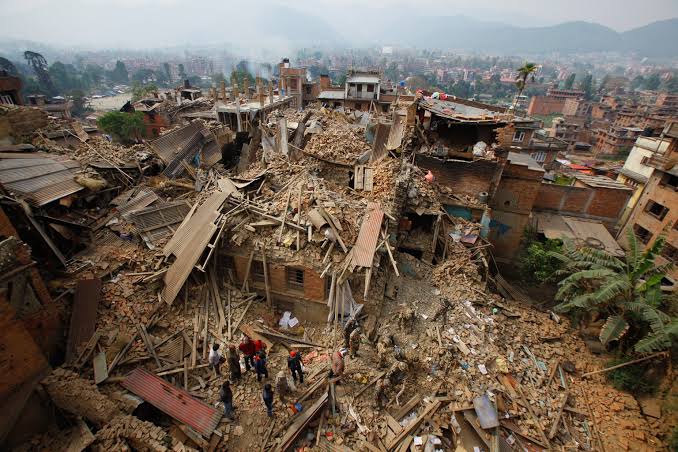
Rescue teams in Nepal and Tibet are racing against time to locate survivors after devastating flash floods swept through parts of the Himalayan region, destroying homes, inundating roads and carrying away bridges in one of the area’s deadliest recent disasters.

In Nepal, at least 469 people have been confirmed dead, while more than 900 others are reported missing, according to figures cited by the BBC. Drone footage from affected areas has revealed the extent of the destruction, with communities badly damaged and critical transport links washed away by the raging floodwaters.

The disaster has also caused significant loss of life in Tibet, where three people have died and at least 558 are missing. Authorities have yet to establish whether there is any overlap between the missing-person figures reported in Nepal and Tibet, leaving the overall scale of the tragedy uncertain as rescue operations continue.
The floods have also left families separated and communities searching desperately for loved ones.
A Nepalese man living in Aberdeen told the BBC that he lost three close family members in the disaster, while another man from East London said his sister had been “really excited” about embarking on her first pilgrimage before she lost contact with her family.
Nepalese officials told the BBC that the glacial collapse believed to have triggered the devastating flash floods occurred on the Nepalese side of the Himalayan mountains. The sudden release of huge volumes of water sent torrents through downstream areas, overwhelming settlements and infrastructure with little time for residents to escape.
Authorities are now facing the additional threat of further flooding. A lake of rising water has reportedly formed at a location along the China-Nepal border, raising fears that it could burst its banks and unleash another surge of water into already vulnerable communities. The potential threat has heightened the urgency of monitoring the area and evacuating people where necessary.
With hundreds confirmed dead and more than 1,300 people reported missing across Nepal and Tibet, rescue workers continue to search through devastated communities for survivors. The disaster has left behind destroyed homes, damaged infrastructure and grieving families, while the threat of further flooding means the humanitarian emergency remains far from over.