
With exactly one year to Nigeria’s next general elections, the Independent National Electoral Commission (INEC) has moved to assert its constitutional authority, releasing the official Notice of Election and cautioning against the circulation of unauthorized election schedules.
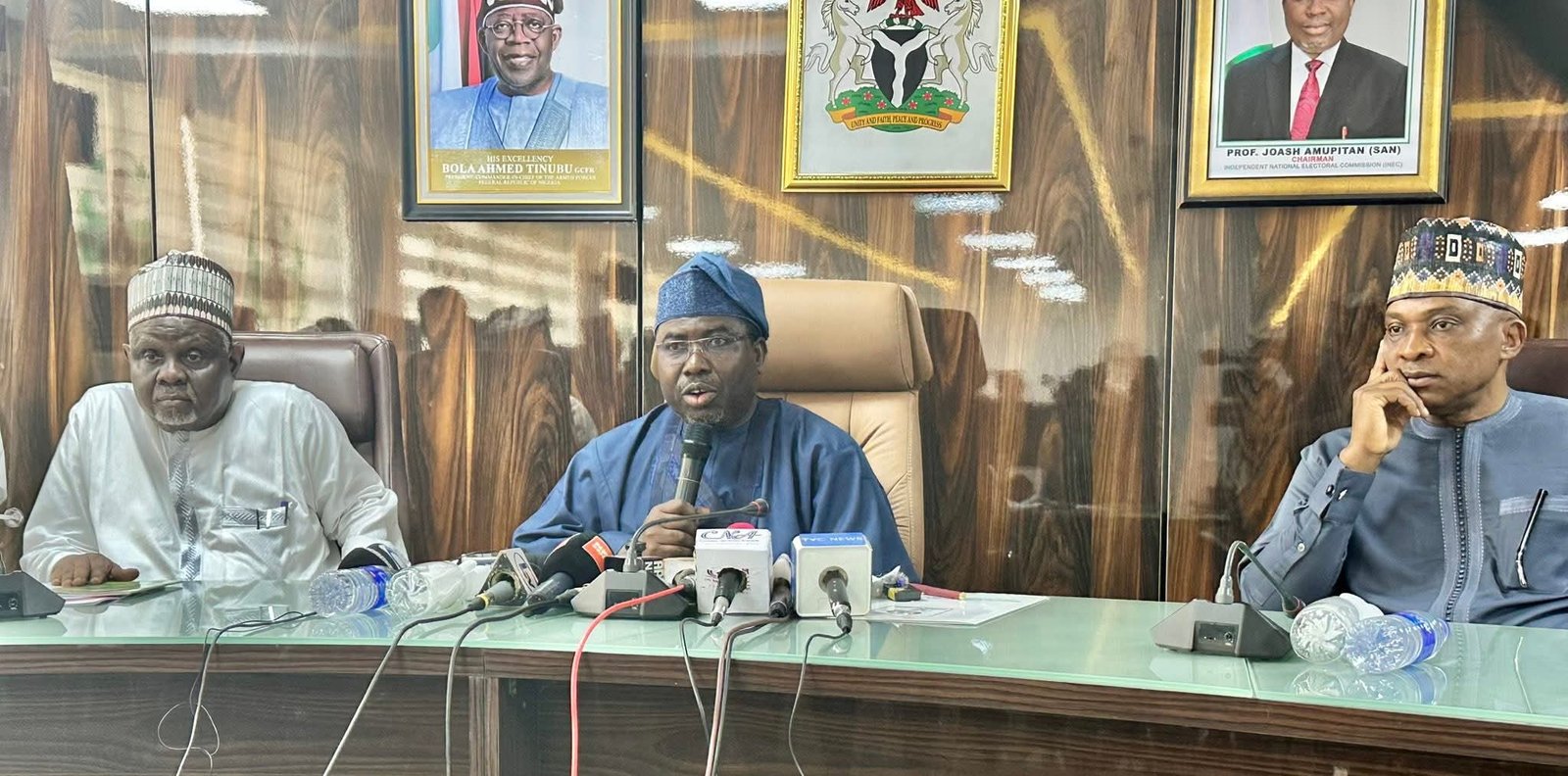
INEC Chairman, Prof. Joash Ojo Amupitan, while addressing journalists in Abuja, described the announcement as both a constitutional duty and a strategic step to deepen electoral preparedness nationwide.

By fixing February 20, 2027, for the Presidential and National Assembly elections and March 6, 2027, for Governorship and State Assembly polls, the Commission signaled the formal commencement of the 2027 electoral cycle.
Beyond the dates, the announcement underscores INEC’s determination to maintain control of the electoral process amid growing political speculations. The Chairman stressed that only the Commission has the legal mandate to fix election dates, dismissing earlier circulating schedules as misleading.
The early release of the timetable also places political parties on notice, particularly regarding the conduct of primaries, submission of nomination forms, and strict adherence to campaign timelines. INEC warned that violations would attract sanctions under existing electoral laws.
The Commission further indicated that it would proceed under the current provisions of the Electoral Act, 2022, pending any amendments by the National Assembly. At the same time, it pledged expanded use of technology, continuous voter register updates, strengthened security collaboration, and intensified voter education.
As preparations gather momentum, INEC framed the 2027 elections not merely as a routine democratic exercise but as a test of institutional discipline, political maturity, and collective national responsibility.